




The Anatomy of Heroic Defeat: Why Vozinha of Cape Verde is the True Hero of 2026 FIFA World Cup

- His legacy is a reminder to international sports history that boundaries are meant to be tested, and that origins do not dictate destiny.
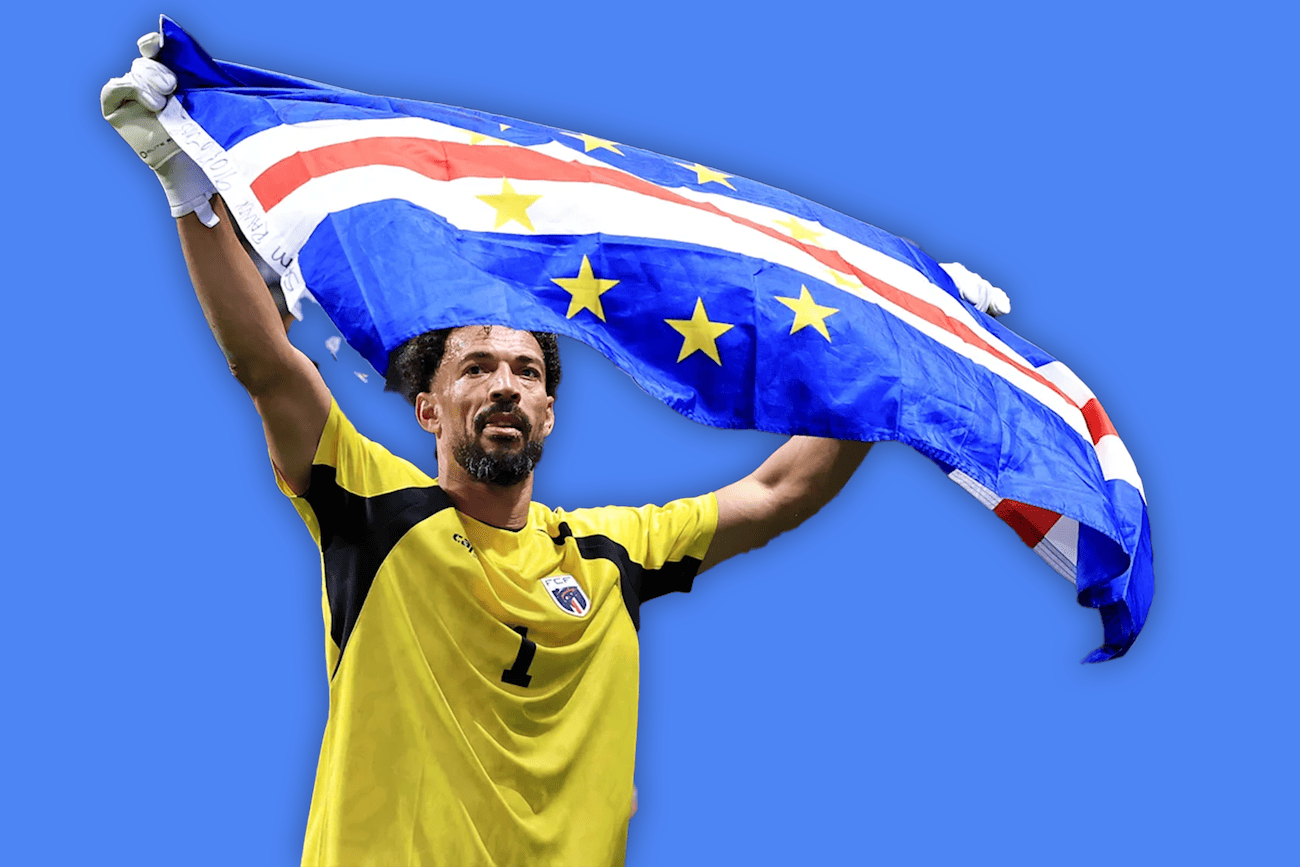

The story of Josimar José Évora Dias—known to the world simply as Vozinha—at the 2026 FIFA World Cup transcends the boundaries of standard sports trivia. At 40 years old, playing for Cape Verde, a tiny island nation of just over 500,000 people, his breathtaking performances against football royalty like Spain and Lionel Messi’s Argentina did more than just capture the tournament’s headlines.
His journey stands as a profound case study for international sports history and a deeply moving narrative for our shared humanity. Here is a comprehensive analysis of why Vozinha’s story matters.
Redefining High-Performance Ageism in Modern Sports
For decades, professional sports operated under a rigid chronological timeline: a player peaks in their late 20s, declines in their early 30s, and is effectively obsolete by 35. Modern sports science has begun to push these boundaries, but Vozinha’s 2026 campaign shattered them entirely on the grandest stage in human entertainment.
- The Ultimate Pressure Cooker: He didn’t just sustain a career into his 40s in a low-stakes domestic league; he made his World Cup debut at 40 against Spain and Argentina. The goalkeeper position demands the sharpest possible fast-twitch reflexes, cognitive processing speeds, and explosive physical elasticity—traits traditionally thought to be severely degraded by age 40.
- The “Debut” Milestone: By becoming the oldest goalkeeper in football history to record a clean sheet on his World Cup debut, he flipped the script on aging. His story tells the sporting world—and aging populations globally—that “prime” is not a fixed window, and life-defining professional achievements can occur long after society expects you to fade into the background.
His meteoric rise from 50,000 to over three million social media followers in a matter of weeks is a textbook study in modern digital meritocracy.
The Democratization of Global Stardom via Digital Culture
Historically, to become a global sports icon, an athlete required the machinery of a massive media market or a multi-million-dollar contract with a club like Real Madrid, Manchester United, or Barcelona. Vozinha entered the 2026 tournament as an obscure veteran playing in the Portuguese second division.
- The 3-Million-Follower Metric: His meteoric rise from 50,000 to over three million social media followers in a matter of weeks is a textbook study in modern digital meritocracy. Global audiences bypassed traditional marketing campaigns and rallied organically around pure merit, grit, and emotional resonance.
- A Shift in Influence: It proves that international sports culture has become democratized. A 40-year-old from a modest background can captivate the global digital consciousness purely through performance and character, fundamentally altering how sports icons are minted in the 21st century.
Geopolitical Representation & The Power of Micro-Nations
In the theater of international relations and sports, small island developing states (SIDS) are frequently marginalized, often viewed through the narrow lens of climate vulnerability or economic dependence. Cape Verde is a nation built on a diaspora, with more Cape Verdeans living abroad than on the islands themselves.
- Unifying a Global Diaspora: When Vozinha stood as a wall against the world’s wealthiest footballing superpowers, he anchored a moment of profound geopolitical visibility. For a few historic weeks, Cape Verde was not a footnote; it was the epicenter of global athletic admiration.
- The Equalizer of the Pitch: His performance illustrated the unique beauty of international sport: it is one of the few global arenas where a micro-nation of half a million people can stand eye-to-eye with a nation of 45 million (Argentina) or 47 million (Spain) and demand absolute equality of respect.
The Human Element: Pure Motivation vs. Commercialization


Modern sports are heavily criticized for being overly transactional, corporate, and sanitized by hyper-commercialization. Multi-millionaire athletes often feel distant from the fans who watch them. Vozinha provided a refreshing, deeply human antidote to this cynicism.
- The Simplicity of His “Why”: When asked about his primary motivation for the 2026 World Cup, Vozinha did not speak of shoe contracts, club transfers, or personal brand expansion. He stated that his goal was simply to ensure his mother could see him play on soccer’s ultimate stage.
- A Mirror to Humanity: This grounding in familial love resonated universally because it stripped away the corporate armor of modern celebrity. It reminded a cynical world that at the root of the highest human achievements is often a remarkably simple, relatable, and pure emotional drive.
The Anatomy of the Heroic Defeat
In a hyper-competitive global culture obsessed purely with winners, Vozinha’s defining moment actually came in a loss—the heartbreaking 3-2 extra-time defeat to Argentina.
- Redefining Success: Humanity inherently loves an underdog story, but we love them most when they push the absolute boundaries of what is possible. By stopping Lionel Messi four separate times in single-elimination play, Vozinha elevated the concept of the “heroic defeat.”
- The Post-Match Reality: The images of Messi—arguably the greatest player to ever live—embracing an exhausted, 40-year-old Cape Verdean goalkeeper to pay his respects after a grueling 2.5-hour war is an image for the ages. It reminded viewers that true sport is not just about the trophy at the end; it is about the mutual recognition of human excellence across opposing sides.
Vozinha’s 2026 World Cup legacy is a permanent reminder to international sports history that boundaries are meant to be tested, origins do not dictate destiny, and it is never, ever too late to face your giants.
Amy Ghosh is a Los Angeles-based Attorney at Law, specializing in Immigration Law, Family Law, and Employment Law, among others. She can be reached at: amygesq@gmail.com
Excellent analysis. India unfortunately would not learn from Cape Verde. It takes a clean, moral, modern ruling system to be successful in world events. India does not have such a system. This Cape Verde would easily defeat India 10-0 in any game today.