




Why Oneness Matters for Freedom and Happiness: Reflections on Raksha Bandhan Day

- On August 29, we can celebrate both the freedom of each person and the ties that make us stronger together. That balance helps every society, including America, keep its best promises alive.
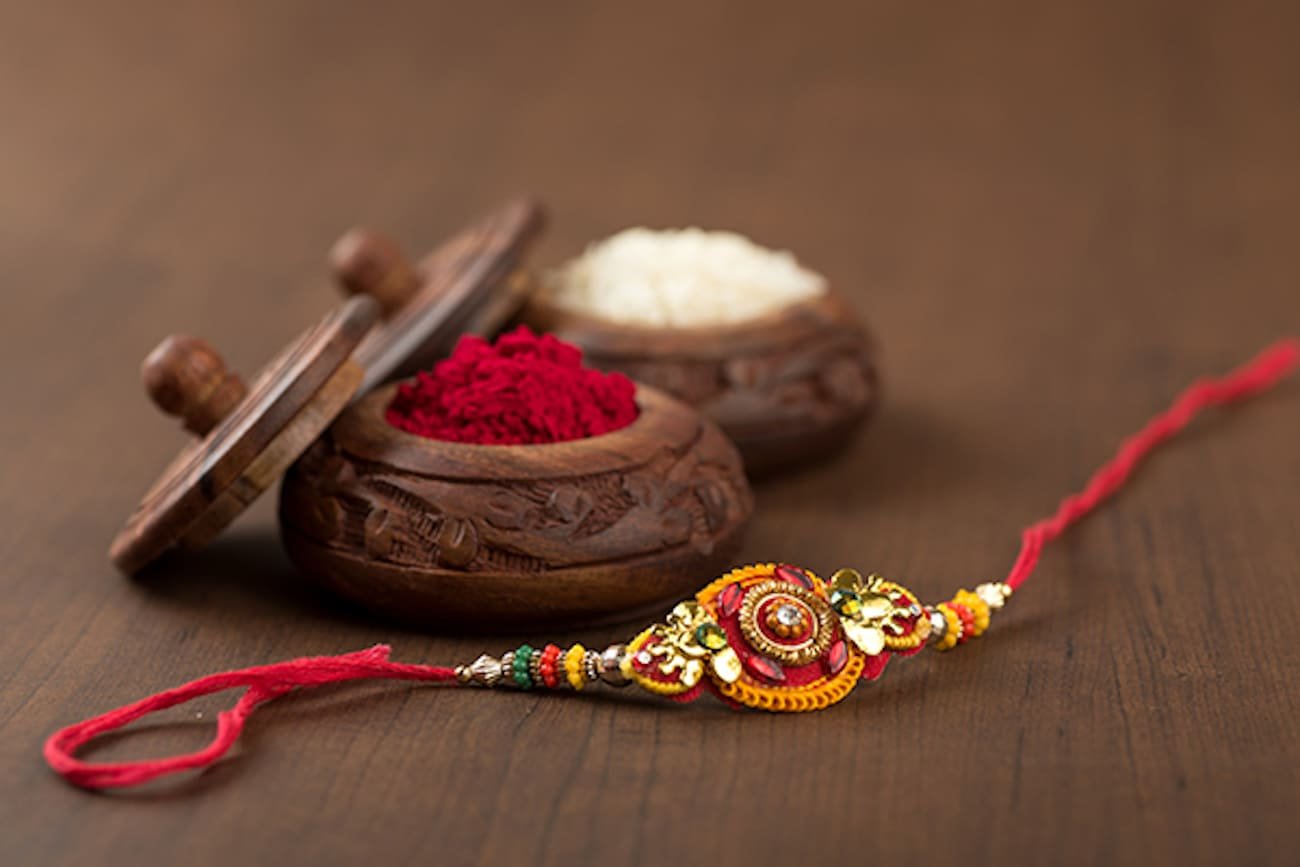

Raksha bandhan , a Hindu festival of brotherhood and togetherness is being celebrated as Universal Oneness day by several Hindu organizations this time at Madison Garden, NY on Aug 29th.
On Universal Oneness Day, we gather to think about what holds people together. This celebration in New York comes near America’s 250th Independence anniversary. It is a good time to look at two big American ideas—individual liberty and the pursuit of happiness—and see how they connect with the idea of oneness from Hindu thought.
Liberty Needs Strong Character
The Declaration of Independence says every person has the right to life, liberty, and the pursuit of happiness. Liberty means the freedom to think, speak, believe, and live your own life without unfair control. The pursuit of happiness means the chance to grow, find purpose, and live a good life in your own way.
Hindu ideas value the person while starting with the larger group. Ancient texts say the true Self is connected to everything. The idea of svadharma —doing your own duty—means each person must choose and act. Organizations focused on national service and character building, under the leadership of the Sangh including Mohan Bhagwat, help people grow discipline, strength, and the habit of helping others. The goal is to make people strong enough to use freedom wisely. A person without character can lose freedom to bad habits or outside pressure. Building character is not a limit on liberty. It is what makes liberty real and lasting.
America’s founders knew this too. They believed free people need virtue and responsibility. Without self-control and care for others, the search for happiness can turn into selfishness or fighting. A shared sense of belonging and duty gives the strong base that liberty needs to grow.
The Balance Between Self and Group
There is a real difference to notice. American thinking puts the individual first. Rights belong to each person. Society exists to protect the space where people can seek their own happiness. Hindu civilizational thought puts the larger whole first. Oneness comes before the single person. A person finds deeper meaning partly by serving the larger community and culture. This view sees belonging as broad and inclusive. Still, focusing on the group can feel, to some, like it limits the full freedom to define yourself apart from family, culture, or nation.
At the Oneness Celebration on August 29th at the Infosys Center at Madison Square Garden, many speakers will share thoughts on unity. One of them, RSS chief Mohan Bhagwat, has often spoken about this idea.
In a country with many cultures, this difference matters. Too much focus on the individual can leave people lonely and break trust. Too much focus on the group can push people to fit in too tightly. The challenge is to respect both the freedom of each person’s conscience and the human need for belonging and shared purpose.
True Happiness Grows in Connection
Happiness is more than getting what you want right now. American thinkers linked it to good character and purpose. Hindu ideas of lasting joy point the same way. Real fulfillment comes from living with duty and moving past narrow selfishness. The teaching Vasudhaiva Kutumbakam—the world is one family—widens the circle of care. It does not erase the person. It helps the person find happiness by caring for more than just self.
Service trains this wider view. People who help the larger whole often find deeper happiness than those who stay only in private wants. President John F. Kennedy captured this spirit in his famous words: “Ask not what your country can do for you—ask what you can do for your country.”


At the Oneness Celebration on August 29th at the Infosys Center at Madison Square Garden, many speakers will share thoughts on unity. One of them, RSS chief Mohan Bhagwat, has often spoken about this idea. He has said, “We are one, this is the reality. There is the feeling that we are different but the spirit of our Indian culture has been Vasudhaiva Kutumbakam.” He has also noted that diversity is not a problem but an enrichment: “Diversity is the adornment of unity, and we should accept and respect this.” These words remind us that oneness grows through respect and service.
A Helpful Way Forward
Liberty and oneness can work together. Individual freedom brings energy, new ideas, and personal strength. A living sense of shared oneness brings continuity, responsibility, and confidence that keeps freedom from falling apart. Happiness is richest when people can choose their path and learn habits of character and service that point beyond themselves.
America does not need to copy any single path. Yet at 250 years, the country can still ask an important question: Is a purely individual view of freedom enough for a strong, diverse democracy? Hindu thought on oneness, character, and service offers one useful way to think about how liberty and the pursuit of happiness can stay healthy for the next generations.
On this Universal Oneness Day, we can celebrate both the freedom of each person and the ties that make us stronger together. That balance helps every society, including America, keep its best promises alive.
Madhu Hebbar, an engineer, is an IIT graduate, living in the greater Los Angeles area. He is a practicing Hindu, and an avid reader, who is interested in Eastern philosophies and their general application to Western challenges. He is engaged in coaching youngsters interested in Hindu civilizational history, universal values and its modern-day relevance.