




Beyond the Democratic Triumph: Majorities Born of Economic Grievance Come With an Expiry Date, Not a Blank Check

- The majority that has just been handed the purse will be judged not by the noise of its hearings, but by whether the arithmetic at home begins to change.
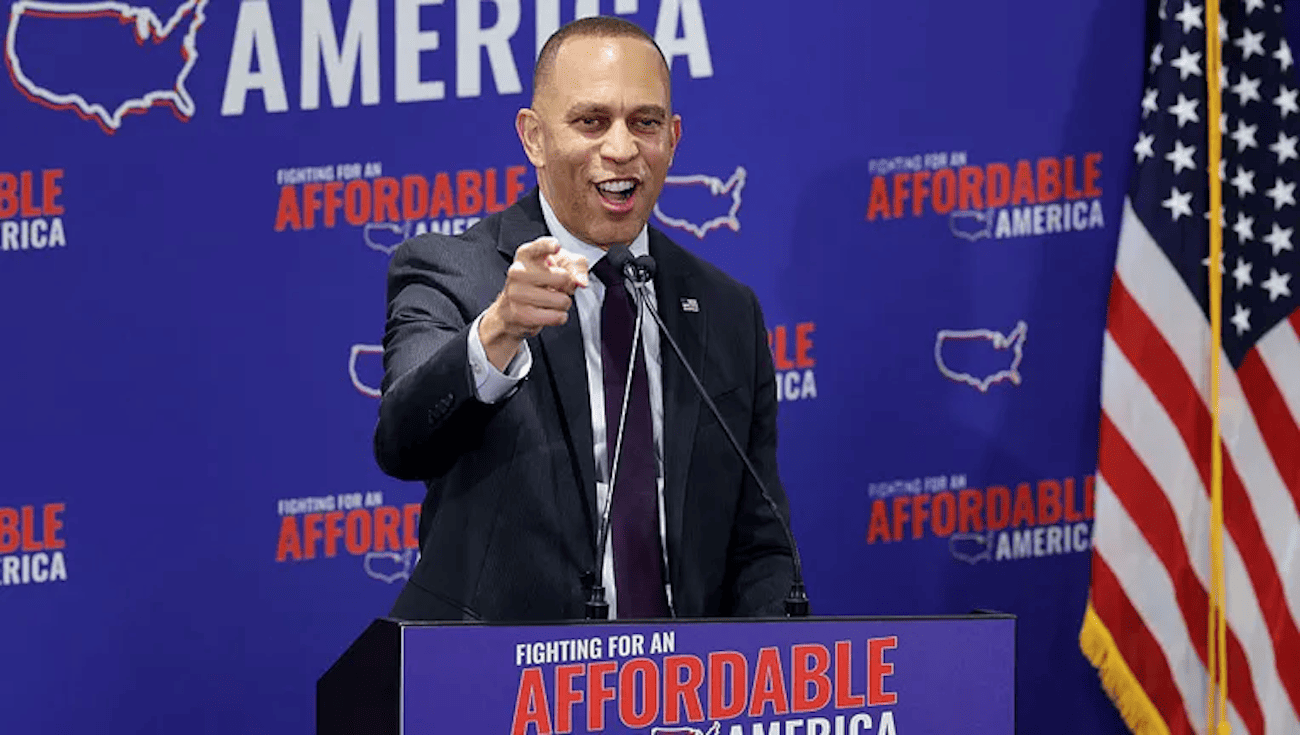

By Wednesday morning the midterms had already been reduced to a sentence: a Democratic wave across both chambers, driven by stubborn inflation, pain at the pump and fatigue with open-ended foreign entanglements.
The sentence is not wrong, but it is incomplete. Turnover is the result, not the explanation. Two pressures help explain the swing; two constraints will shape what the victors can do with it.
The Consumer Price Index counts prescription drugs, nursing homes and home health care. But it counts them as an average across all households, and an average hides the household that pays for all three at once. Health and care costs fall hardest on the sandwich generation, those raising children while supporting aging parents. For them, inflation is not a percentage. It is a monthly decision about who gets looked after. The early returns bear out the weight of these costs.
In KFF’s analysis (an independent, nonpartisan, nonprofit organization that focuses on national health issues) of the 2026 Voter Poll by SSRS, a survey and market research firm, 54% of midterm voters said the administration’s policies had made their own health care costs worse, and those voters backed Democratic House candidates 82% to 16%. Partisanship explains part of that gap, but the pattern held among independents: 69% of those who felt their costs had worsened voted Democratic for Congress. The opposition did not have to win the ideological argument alone. It also had to be on the right side of a bill that arrives every month.
For a decade, partisan redistricting was sold as an impenetrable moat. Mapmakers spread loyalists thin to maximize “safe” seats, leaving many districts with modest single-digit margins. Political scientists have a name for what happens when that strategy fails: the dummymander. A cushion engineered to absorb an ordinary swing becomes a shared vulnerability when the swing is not ordinary. Districts need not share identical margins for this to happen. They only need to be exposed to the same national current with too little reserve to absorb it. This year’s returns show that vulnerability in practice. In North Carolina, Democrat LaKesha Womack won the 14th District, a seat that a 2023 redistricting had redrawn to favor Republicans. In Florida, Democrats won at least three districts Republicans had redrawn in their own favor.
Victory across both chambers will invite claims of a mandate for transformation. The result alone cannot establish one.
Victory across both chambers will invite claims of a mandate for transformation. The result alone cannot establish one. Majorities born of economic grievance come with an expiry date, not a blank check. A veto and Senate thresholds will limit what the new majority can enact. Those constraints do not erase its leverage. Congress can make funding conditional, forcing the executive to negotiate. A majority elected on household costs could, for instance, insist that any spending deal protect Medicaid’s home- and community-based care services, the support that keeps aging parents at home and their children at work. Add subpoenas and oversight, and the majority holds two instruments: the purse and the gavel. Used to secure protections like these, they can outlast the grievance that delivered them. Used for theatre, they will expire with it, and the same impatience that built this majority could dismantle it in two years.

Divided government is said to tame the presidency. More often it redirects it. A president blocked on legislation turns to executive orders, emergency declarations, rule-making and trade actions. That does not place the executive beyond reach. Congress can attach riders, withhold funds and compel testimony, and the courts can strike down overreach. What changes is the terrain. The contest over policy moves out of the legislative calendar and into appropriations fights, oversight hearings and litigation. The next two years will be decided less by bills passed than by money withheld and rules challenged.
But Campaigns spent the year selling stories about the economy. Voters, it seems, checked them against their own bank statements. Neither party can treat that as a passing mood. The majority that has just been handed the purse will be judged by the same standard it was elected on. Not by the noise of its hearings, but by whether the arithmetic at home begins to change.
Satish Jha, former Editor, Indian Express Group and The Times of India Group writes on geopolitics, international affairs, and development.