




You Should Know the Odyssey and Greek Mythology Fairly Well Before Watching Christopher Nolan’s Magnum Opus

- Christopher Nolan takes a lot of surprising creative choices, which include no lesbians, one Gujarati, and at least two classic Nolan flourishes of presenting things out of order.
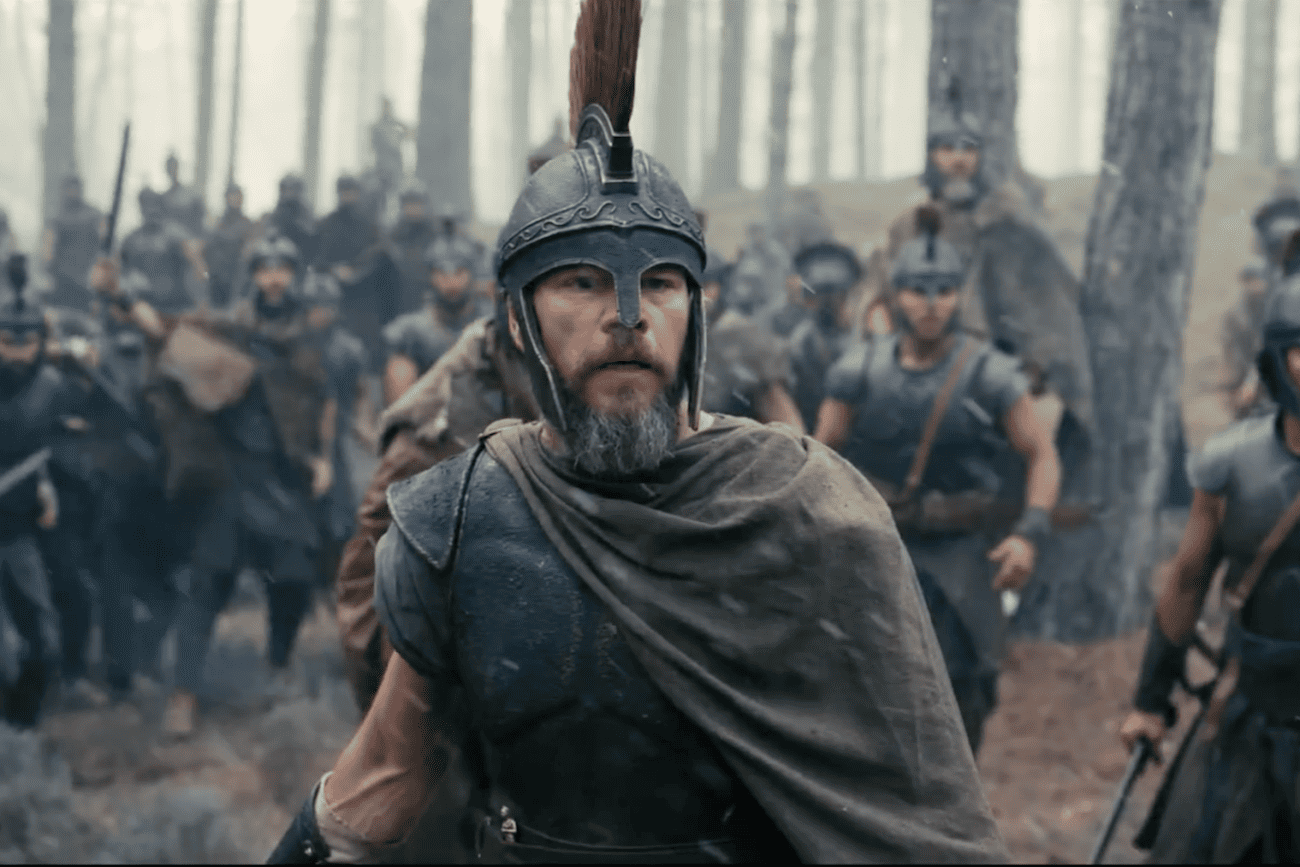

Whether a movie is good or bad, and I realize this even more as I’ve grown older, is simply a function of whether it gets you emotional or leaves you cold. The story, the cinematography, everything we like to talk about in reviews, is quite beside the point; it’s the post-facto rationalization of wherever our heart took us.
Two things one needs to know before going to see Christopher Nolan’s latest, “The Odyssey.” First of all, anything other than IMAX, prepare to be disappointed. This is cinema in its purest form, visual storytelling by a master of the craft, and it needs to be experienced without gimmicks (no 4DX, please).
Second, and more important. You should know the Odyssey and Greek mythology fairly well walking in. Nolan drops you in the middle of the action with no introduction, nothing, and it is very difficult to follow along if you don’t know the lore. Most of us know who Achilles and Hector are, and Helen, though the first two do not appear in the movie at all. Fewer of us know Agamemnon, or Menelaus, or how the Greeks assembled their army against the city-state of Troy. If that’s you, you will most likely be “out” of the movie within the first thirty minutes.
Nolan takes a lot of surprising creative choices, which include no lesbians, one Gujarati, and at least two classic Nolan flourishes of presenting things out of order. And that’s not all. He puts his own spin on the old story, making it about the corrupting effect of war and violence on the human soul. It is a trope Tolkien made his own, where Gandalf says he doesn’t know if Bilbo Baggins will come back, or how much of him will be left if he does.
It is the same thing here.
Odysseus, the noblest and smartest of the Greeks, doesn’t want to come home because he is ashamed of who he has become in the Trojan War, of the moral code he knows he has irretrievably broken by disguising a peace offering as a weapon of war, making profane that which was once holy.


All of this, of course, worked for me. The cinema, the drama, and that which is deeper. I was on the crest of emotion throughout, fully connected to its world, but well aware that this movie is not for everyone, and that everything I have written above is just my heart looking for reasons.
Arnab Ray is a novelist, columnist and podcaster. His latest books are “Shakchunni” and “The Bucket.”