




The New Green Card Application Changes are Expected to Have an Outsized Impact on Indian Technology Workers

- The policy could reshape corporate hiring practices. Employers may become more cautious about sponsoring workers for permanent residency if applicants are required to leave the country during processing.
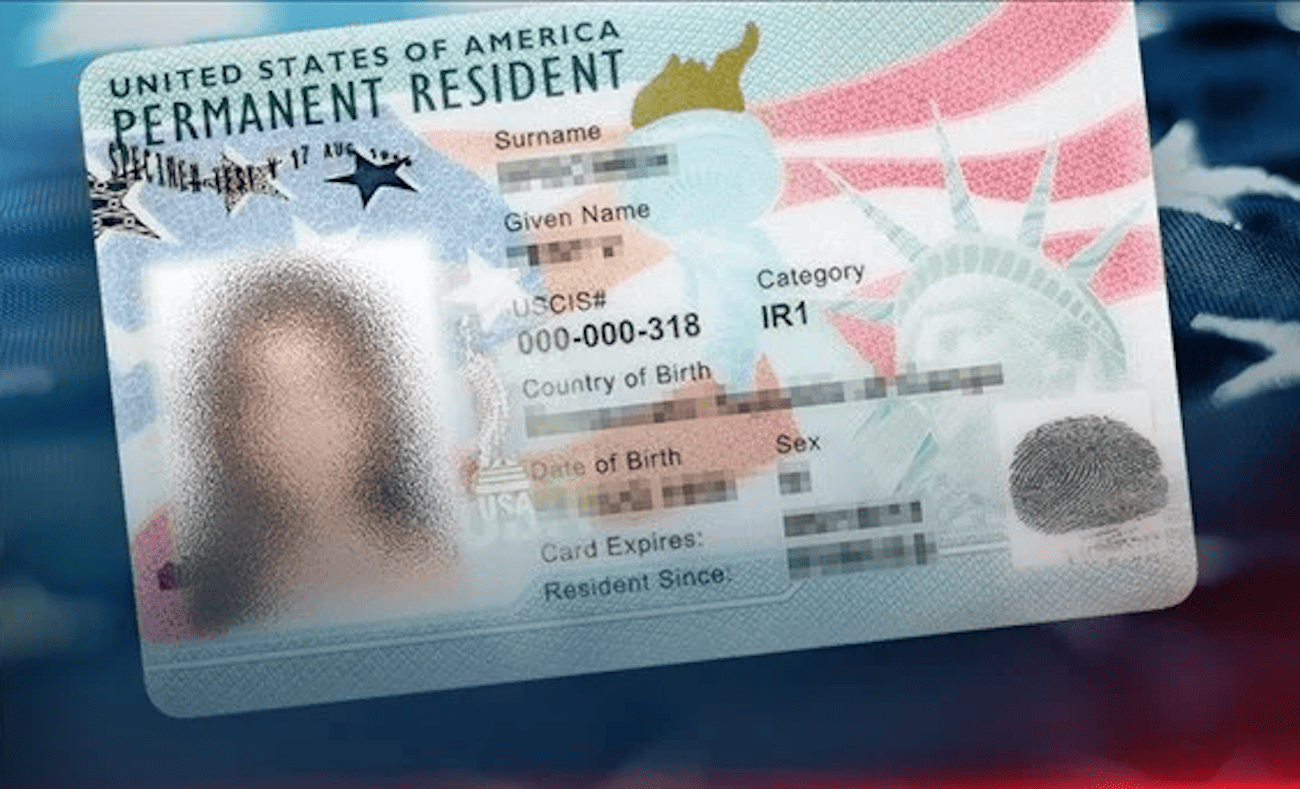

The Trump administration has announced one of the most consequential changes to the U.S. green card process in decades: most foreign nationals seeking permanent residency while already in the United States will now be required to return to their home countries and complete the process through American consulates abroad rather than adjust status domestically.
The policy, announced by U.S. Citizenship and Immigration Services (USCIS) and the Department of Homeland Security on May 22, represents a major shift away from a system that had allowed many immigrants — including skilled workers, spouses of U.S. citizens and long-term visa holders — to apply for permanent residency without leaving the country.
USCIS spokesman Zach Kahler said the administration was “returning to the original intent of the law” and argued that temporary visa holders should not use their stay in the United States as a pathway to permanent residency except under “extraordinary circumstances.”
The new guidance is expected to have an outsized impact on Indian nationals, who make up one of the largest groups of employment-based green card applicants in the United States. Thousands of Indian professionals working in technology, engineering, medicine and finance remain stuck in green card backlogs that already stretch for years — and in some cases decades — because of country-based visa caps.
Under the previous system, many Indian applicants on H-1B visas filed adjustment-of-status applications while continuing to work legally in the United States as they waited for priority dates to become current. Immigration lawyers and policy analysts say the new rule could force many applicants to leave the country and wait abroad for uncertain periods while their cases are processed through consulates.
The administration has not yet clarified how the policy will affect the large number of pending adjustment-of-status applications already in the system. Reuters reported that USCIS said officers would evaluate cases individually and allow exceptions in “extraordinary circumstances.”
Business Insider reported that USCIS may continue permitting some applicants who provide an “economic benefit” or serve the “national interest” to remain on their existing adjustment track, though officials have not explained how those standards will be applied.
For Indian applicants, uncertainty itself may become a major burden.
The administration has not yet clarified how the policy will affect the large number of pending adjustment-of-status applications already in the system.
Employment-based immigration from India has long been shaped by visa retrogression and processing delays. According to immigration experts and visa bulletin analyses, many Indian applicants in the EB-2 and EB-3 categories already face waits extending well beyond a decade because annual green card allocations are capped by nationality.
The new requirement to leave the United States during processing could create significant disruptions for families with children in American schools, mortgage obligations, ongoing employment contracts and spouses on dependent visas tied to the principal applicant’s immigration status.
Critics of the policy argue that it may especially affect Indian technology workers employed by major American companies, many of whom have spent years building careers and lives in the United States while awaiting permanent residency approvals.
Aid organizations and immigrant-rights groups have also warned that requiring applicants to process cases abroad could expose them to long separations from family members and create additional vulnerabilities if consular delays intensify.
The policy change comes amid a broader tightening of immigration rules under Trump’s second administration.
In recent months, USCIS and DHS have expanded biometric screening requirements, strengthened vetting procedures and proposed stricter interpretations of “public charge” rules used to determine whether immigrants are likely to rely on government assistance.
The administration has also increased scrutiny of applicants’ social media activity. The Brennan Center for Justice reported that USCIS announced expanded monitoring of social media for what officials described as “antisemitic activity” and “anti-Americanism,” though critics say the standards remain vague.


Immigration advocacy groups warn that the combined effect of these changes could significantly raise the financial and procedural burden of securing permanent residency in the United States.
For Indian applicants, the timing is especially sensitive because demand for U.S. permanent residency among highly skilled workers remains high even as visa backlogs continue to worsen. Technology companies, universities and healthcare institutions have historically depended heavily on Indian professionals working under temporary visa programs.
The policy could also reshape corporate hiring practices. Immigration attorneys quoted in multiple reports said employers may become more cautious about sponsoring workers for permanent residency if applicants are required to leave the country during processing, potentially creating workforce disruptions in sectors already facing talent shortages.
Supporters of the administration’s move argue that the policy restores the distinction between temporary and permanent immigration categories and reduces the likelihood that applicants whose cases are denied remain unlawfully in the country. USCIS has framed the measure as a return to the intended structure of immigration law.
Opponents, however, say the change effectively dismantles one of the central mechanisms through which legal immigrants transitioned to permanent residency over the last six decades. The Guardian reported that immigration advocates fear the move could affect more than one million applicants currently waiting in the green card system.
As confusion spreads across immigrant communities, Indian applicants appear likely to face some of the sharpest consequences because of the sheer size of the existing backlog and the dependence of many applicants on uninterrupted employment authorization within the United States.
Immigration lawyers have advised applicants to closely monitor USCIS policy memoranda and visa bulletin updates while awaiting further clarification about implementation timelines and possible exemptions.
For now, the administration’s message is unmistakable: temporary visa holders seeking permanent residency should increasingly expect to complete that journey from outside the United States rather than within it — a shift that could fundamentally alter the experience of legal immigration for hundreds of thousands of Indians hoping to become permanent residents of America.