



Mayor-Elect Mamdani Listens to the Poetry of Nehru and Ignores the Prose of Stagnation That Followed

- India’s first Prime Minister built giant steel plants owned by the state. He told farmers how much grain they could keep. He told shopkeepers what prices to charge. New Yorkers need to look hard at the full record.
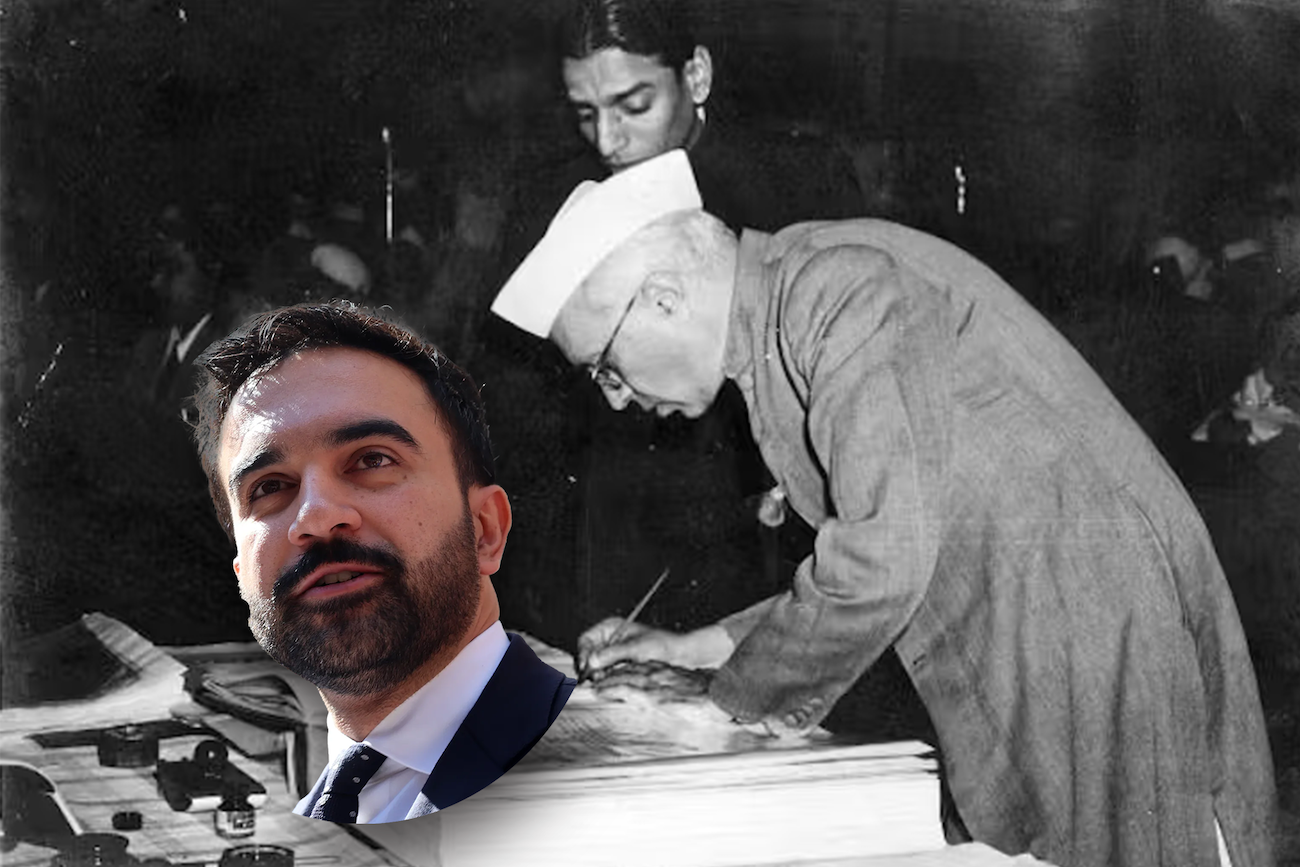

Zohran Mamdani stood on the victory stage in Brooklyn Tuesday night and reached back to 1947. He quoted Jawaharlal Nehru’s midnight speech about a nation stepping “from the old to the new.” The crowd loved it. The line still sounds grand. Yet anyone who knows what happened to India after Nehru took the reins should feel a chill. That “new” India became a place of empty factories, endless queues for bread, and bribes at every counter. If Mamdani means to borrow more than a quote, New Yorkers need to look hard at the full record.
Nehru wanted a socialist India. He built giant steel plants owned by the state. He told farmers how much grain they could keep. He told shopkeepers what prices to charge. Private companies had to beg for licenses to make anything. By the late 1960s the country grew at barely three percent a year. People called it the Hindu rate of growth, a polite way of saying stagnation. One out of every three Indians lived on less than a dollar a day. Foreign currency ran so low that the government begged for wheat shipments from America. The same America Nehru refused to join in any alliance.
The License Raj was the real killer. To open a small textile mill you filled out forms for months. To buy cotton you needed a quota. To sell cloth you needed another permit. Officials sat on the files until envelopes changed hands. A whole class of middlemen grew rich by knowing which clerk took how much. Corruption became the only growth industry. By 1975 the black market was larger than the legal economy. Nehru never meant it to happen, but his rules made it inevitable.
Freeze rents forever. Run the buses for free. Hand childcare to city hall. Pay for it by taxing the rich until they leave. It sounds kind until you remember that Nehru promised the same kindness and delivered shortages.
Kashmir and Bangladesh show the same pattern of weak decisions dressed up as high principle. In 1947 tribal raiders backed by Pakistan marched into Kashmir. The local ruler asked India for help and signed the state over. Nehru could have sent the army, secured the valley, and settled the border. Instead he stopped the troops halfway and ran to the United Nations. He worried about looking like an aggressor. He worried about Muslim voters in Uttar Pradesh. The file stayed open. Seventy-seven years later soldiers still die on the same ridges.
Bangladesh started as another loose end. East Pakistan seethed under West Pakistani rule. In 1971 ten million refugees poured across the border into India. Nehru’s daughter was prime minister by then, but the old habit of dithering lingered. Delhi talked about non-alignment and moral support while camps overflowed and cholera spread. Only when the army finally moved did the crisis end, and even then the war cost more lives than it should have. A firmer hand in 1947 might have drawn cleaner lines and spared two generations the fallout.
Mamdani’s platform reads like a softer version of the same playbook. Freeze rents forever. Run the buses for free. Hand childcare to city hall. Pay for it by taxing the rich until they leave. It sounds kind until you remember that Nehru promised the same kindness and delivered shortages. New York already has long waits for housing permits and subway repairs that never end. Add another layer of rules and the city will grind slower still. Entrepreneurs will board trains to Texas. Corner stores will close when the paperwork outweighs the profit.

India only broke the spell in 1991. A new government slashed licenses, opened markets, and let people trade without permission. Growth jumped to seven percent. Phones appeared in villages. Kids stopped dying of hunger. The change came too late for millions who never got the chance.
Mamdani won fair and square. The voters spoke. But victory speeches are not policy. If the new mayor listens only to the poetry of Nehru and ignores the prose of what followed, New York risks the same slow suffocation. The city has lights, bridges, and energy that India never had. Lose them to dogma and red tape, and the glow will fade. One day the subway platforms may look like the railway stations of old Bombay, packed with people who gave up on tomorrow. That is the third-world hellhole Nehru built, and the one Mamdani must be stopped from repeating.
Vikram Zutshi is an American journalist and filmmaker specializing in religion, art, history, politics and culture.