




When Care Is Not Enough: Aging, Agency, and the Changing Meaning of Family in Contemporary India

- In 1988, President Ronald Reagan established August 21 as the National Senior Citizens Day. Later in 1990, the UN adopted the same day as World Senior Citizens Day. In the last decade, Bollywood has played a significant role in highlighting issues around aging and the changing status of seniors in a rapidly aging society like India.
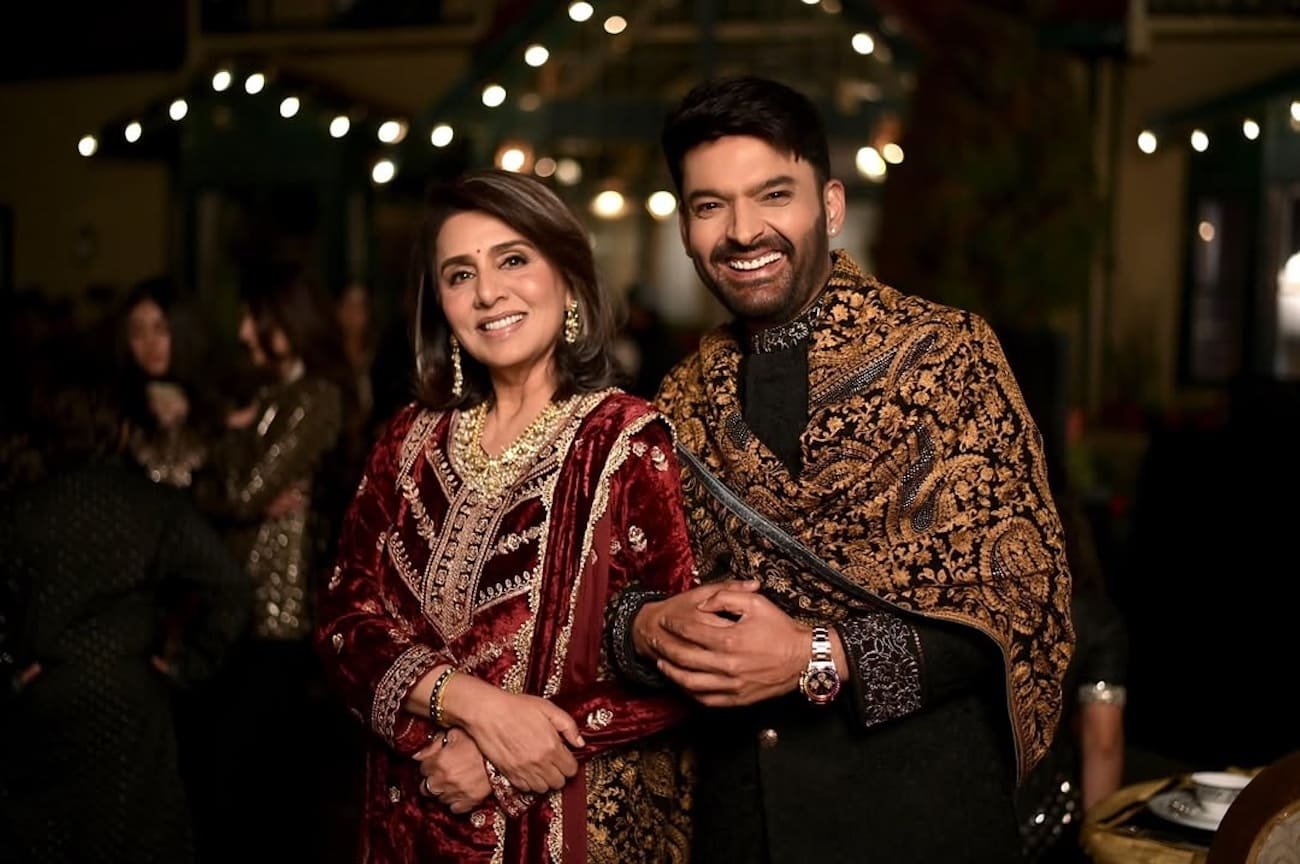

Recently I watched the 2026 Bollywood film “Dadi Ki Shaadi” (Grandmother’s Wedding), a satirical portrayal of the growing emotional distance between aging parents and their married children and adult grandchildren. The film is loud, colorful, and unabashedly comical, yet beneath its humor lies an important social message. It captures a familiar reality in contemporary India: as children move away and become absorbed in their own families and careers, many older parents are left feeling lonely, isolated, and searching for companionship and purpose.
Dadi, played by veteran film actor Neetu Kapoor, observes how children often grow distant from their aging parents and fail to make time for regular visits. The film highlights an uncomfortable truth: physical distance, changing lifestyles, and competing responsibilities have transformed intergenerational relationships. While children may continue to love and financially support their parents, emotional presence and everyday companionship can become increasingly difficult to sustain.
Beyond family relationships, the story raises important questions about aging, gender, and social expectations across different Indian regions and communities. While remarriage in later life is increasingly accepted for older men, it remains uncommon and often stigmatized for older women, especially in India’s diverse cultural landscape. Widowed or single older women are expected to conform to conventional ideals of aging — living quietly, suppressing personal desires, and devoting themselves to children and grandchildren. Older men, by contrast, are generally afforded greater social freedom to seek companionship or remarry. The film shows how adult children may sometimes prioritize family reputation and social expectations over their mother’s emotional well-being and desire for companionship. Through satire, it challenges these gendered norms and invites viewers to reconsider assumptions about love, companionship, intimacy, and dignity in later life, acknowledging regional differences in these norms.
A Demographic Transformation
The story reflects a larger demographic and social transformation taking place in India. India is rapidly becoming an aging society. According to the United Nations Population Fund (UNFPA) India Aging Report 2023, the country had approximately 149 million people aged 60 and above in 2022, representing about 10.5% of the population. This number is projected to rise to approximately 347 million by 2050, when older adults will constitute more than one-fifth of India’s population. The growth of the oldest-old population—those aged 80 and above—is particularly significant because this group is more likely to experience frailty, chronic illness, and greater dependence on others for care. Older women are especially vulnerable, since they tend to live longer, experience widowhood more often, and frequently face greater social restrictions in later life.
This demographic transition is occurring alongside profound changes in Indian society: increased migration, urbanization, smaller families, longer life expectancy, and changing expectations among younger generations. As traditional forms of intergenerational support are reshaped, questions of who provides care, how care is delivered, and what older adults themselves desire have become increasingly important social concerns—the very questions “Dadi Ki Shaadi” dramatizes through one family’s discomfort. Recognizing these shifts can motivate policymakers and social workers to develop innovative, inclusive eldercare models that prioritize dignity and autonomy.
My Ethnographic Research in Bhubaneswar
This theme resonates strongly with my own ethnographic research on eldercare in Odisha. While making a documentary on my mother’s experience with aging and caregiving, I interviewed the president and caseworkers of Sushrusa, a home healthcare agency in Bhubaneswar that trains young women to care for older adults. They shared observations similar to those portrayed in the film: many children who have migrated to distant cities or abroad visit their elderly parents infrequently, leaving them vulnerable to loneliness and emotional isolation. Even living in proximity, in the same house, adult children may not spend time with their older parents.
In such situations, paid caregivers often become more than providers of physical assistance; they become companions, confidants, and sometimes a surrogate family. The case workers at Sushrusa noted that physical proximity does not always guarantee emotional presence — even adult children who live in the same household or nearby may struggle to find time for their aging parents. They also pointed to something harder to talk about: that concerns over property and inheritance can quietly shape how families treat their elders, sometimes crowding out the more basic question of what an aging parent or aging spouse actually needs. It is not the whole story of Indian eldercare, but it is a thread worth naming, because it shows how care can become entangled with other family interests in ways that are rarely spoken of openly.
Adult children themselves also experience a sense of loss, responsibility, and guilt as they try to balance their obligations toward aging parents with the demands of their own lives. Increasingly, older parents migrate from their native homes to live with adult children, spending years helping raise grandchildren and supporting the family. Yet this transition can create new emotional challenges, such as feelings of loss, diminished independence, and social isolation for older adults. Recognizing these psychological impacts is crucial for developing holistic eldercare policies that address both physical and emotional well-being in aging populations.
In India, being cared for by one’s children has long been considered the ideal expression of filial duty and family values. Yet for many older adults, especially those who have lived independent, socially active lives, receiving care can also mean losing privacy, identity, and control over everyday decisions.
A Sister in Delhi
A recent conversation with a friend illustrates these complexities. Her older sister, now in her 70s, lives with her only son and his family in a spacious apartment in Delhi. After her physician husband passed away, she could no longer live alone in Agartala, in North East India, and her son brought her to live with him and his family. Because of her frailty and declining health, she now has a 24-hour home healthcare nurse to assist her with daily needs.
Although she is surrounded by family and receives good care, she feels constrained by her dependence on her son and family and misses the freedom, mobility, and independence she once enjoyed. She wants to move to an older living community — not because she rejects her son’s love or responsibility, but because she seeks a space where she can regain autonomy, build social connections, and make choices about her own life. Like Dadi in the film, and like many of the widows I have interviewed, she is not asking to be rescued from her family. She is asking to still be herself within it and be valued. Her story invites the audience to reflect on the importance of respecting individual agency in eldercare and fostering social inclusion.
My fieldwork among retirees in Cuttack and Bhubaneswar reveals the same pattern again and again. Many older women desire more than security and assistance. They want to maintain their identity, independence, freedom, and personal space. They want to be recognized not merely as parents or grandparents, but as individuals with their own aspirations, relationships, and social worlds — the same recognition that, as the film reminds us, is so often extended to older men without question and withheld from older women by default.


My Mother’s Journey, and Mine
My own journey of caring for my mother across continents has shaped my understanding of aging and caregiving in profound ways. Managing her care through family members, paid caregivers, and home healthcare providers taught me that eldercare is not simply about ensuring safety and meeting physical needs. It is also about preserving dignity, recognizing individuality, and honoring an older person’s desire to remain connected, valued, and involved in decisions about their own life. My mother’s experience, like those of many older adults I encountered in Odisha, revealed that the greatest challenge of aging is not only the need for care, but the need to continue being seen as a whole person.
Care Versus Agency
These experiences reveal a central tension in contemporary eldercare: the conflict between care and agency. In Indian society, being cared for by one’s children has long been considered the ideal expression of filial duty and family values. Yet for many older adults, especially those who have lived independent, socially active lives, receiving care can also mean losing privacy, identity, and control over everyday decisions.
As India’s population ages and family structures continue to change, the question is no longer simply who will care for older adults. The deeper question is: what kind of care allows older adults — women and men alike, but women in particular, given how much more is asked of their silence — to live with dignity, purpose, and autonomy?
The experiences depicted in “Dadi Ki Shaadi,” the caregivers at Sushrusa, the older woman longing for independent living in Delhi, and my mother’s journey all point to the same reality: aging is not only about physical needs but also about emotional fulfillment, social belonging, and the right to continue shaping one’s life.
Annapurna Devi Pandey is a cultural anthropologist whose research centers on diasporic South Asian communities, eldercare, and caregiving in Odisha. She is a founding member of SASI (South Asia Study Initiative) and has long been active with the Odisha Society of the Americas.