




Here’s to Raising a Toast of Provençal Rosé to My Mother in the Heart of the Artichoke

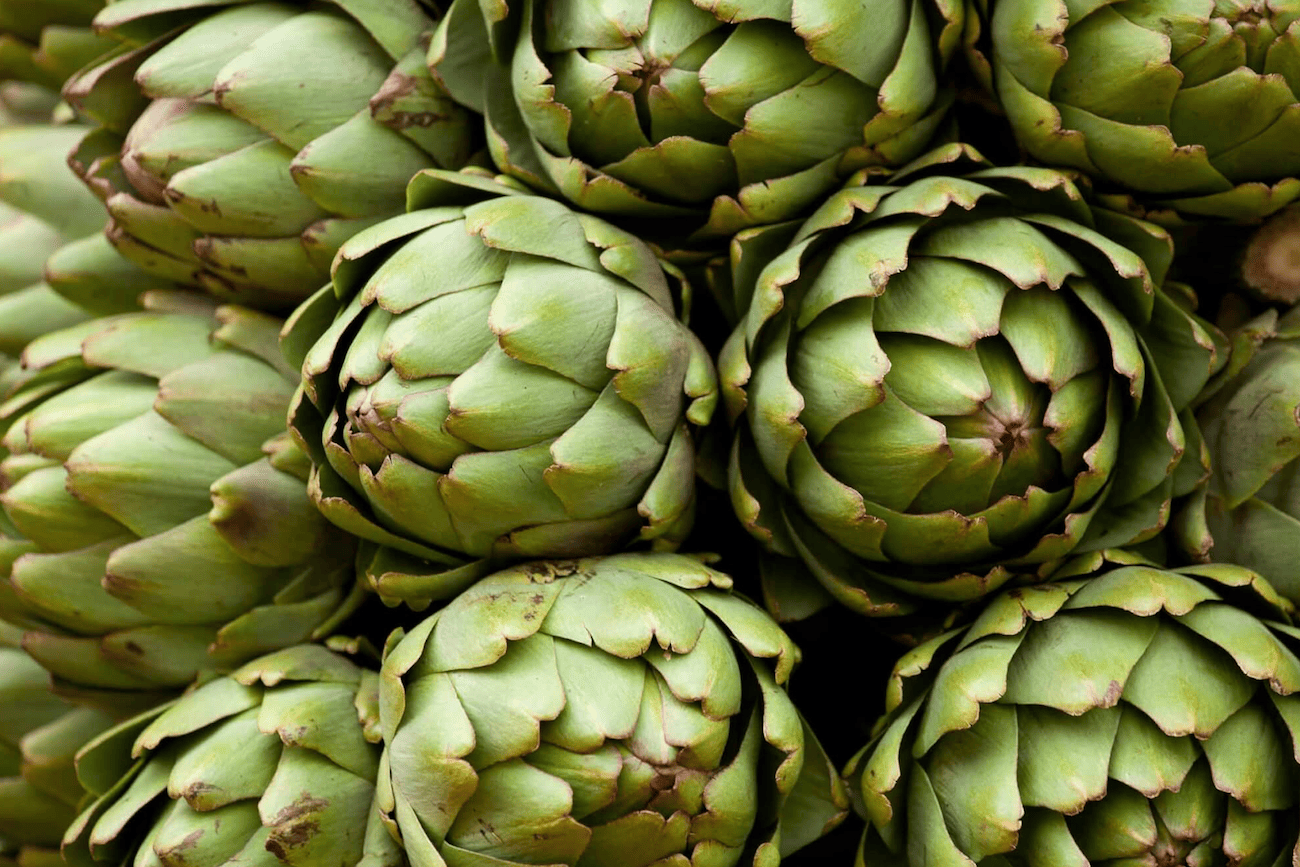

My thoughts drifted to poetry after a luxurious stroll through the farmers’ market in Walnut Creek, Calif. I had sourced fresh carrots, tomatoes, radishes, aubergines, and a beautiful, oversized artichoke. As it simmered in the largest pot in my daughter’s kitchen, I remembered dining with a newly married couple a decade ago along the sun-drenched coast of İzmir, Turkey. I had dipped an artichoke in warm lemon butter, sucking the silky, nutty pulp from its leaves while the groom watched with quiet amusement, noting that his new bride loved the vegetable just as much as I did. That single, buttery bite became a permanent anchor of memory.
Years later, while navigating the cinematic hum of Cannes, I searched for that same sensory delight at the historic Marché Forville. The beating, gourmet soul of the city. Under its grand, sun-baked halls, the market erupts in a vocal symphony of French, Algerian, and Moroccan accents. Shaded stalls overflow with the vivid, rustic colors of Provence: crates of sun-ripened tomatoes, braided ropes of violet garlic, bundles of wild lavender, and jars of golden garrigue honey that smell faintly of dry limestone soil and the fragrant, resinous brush of rosemary, thyme, juniper, and sage.
Walking through Marché Forville feels like stepping into a timeless tapestry. It rivals the legendary markets of Saint-Rémy or Aix, where local farmers, cheesemakers, and fishermen gather at dawn to create a visual feast that has inspired generations of chefs. The stalls are heavy with regional treasures: artisanal cheeses like chèvre, tangy Picodon, and creamy Banon wrapped in chestnut leaves; pouches of Herbes de Provence; traditional fougasse flatbread stuffed with olives; sweet Calissons d’Aix; Cavaillon melons; Carpentras strawberries; and fresh summer figs.
It was beneath these arches that I sought out the artichoke, chasing an acquired taste. While entirely unaware of its ancient Greek lore. I did not know then of Cynara, the mortal maiden seduced by Zeus and transformed, in a fit of divine rage, into a thistle with thorny armor and a soft heart because she missed going back to her mother. Just across the square, at the Allées de la Liberté, the flower market bloomed in a riot of color, peonies, roses, and carnations, reminding me that the artichoke is, at its core, a magnificent, untamed blossom.
The true awakening, however, awaited my return to the Bay Area. At our local East Bay farmers’ market, I crossed paths with a grower from Castroville, the Artichoke Capital of the World. Confronted by a massive stall of green giants, I realized how a single freshly harvested vegetable can collapse time and distance. To my eyes, they looked less like green knights and more like armored green armadillos basking in the California sun.
Yet, I could not help but smile at the whimsical imagery of the poets who saw them so differently. In his free-form verse, Pablo Neruda beautifully personified the vegetable as a proud, tender soldier:
The artichoke
With a tender heart
Dressed up like a warrior,
Standing at attention, it built
A small helmet
Under its scales
It remained
Unshakeable…
This “tender-hearted artichoke dressed up like a warrior,” as quoted by Cheryl Angelina Koehler in Edible East Bay magazine, bridges the gap between the rugged earth and human emotion.


It is the devoted gardeners of the world who coax this poetry from the soil. No matter how far my feet have wandered through global markets, my internal compass is in my mother’s garden. My heart is so inextricably connected to my mother’s heart that I could never bear to leave the span of her eyes upon me.
When I think of her, I see her tending the earth. Her wonderful kitchen garden overflowed with fresh cucumbers, lettuce, ladyfingers, peppers, kele-ke phool, kamal kakadi, potatoes, and green onions. The courtyard was vibrant with perfumed roses, sunflowers, dahlias, petunias, and sweet peas. She was happiest in her garden, watching things grow.
I am sure she would have delighted in planting an artichoke, too. The large, thistle-like perennial with striking, pinecone-shaped edible flower buds is popular at elite soirees. Together, we would have let at least some of the buds burst into stunning, electric purple flowers. Thinking of her, of the poets, and of the farmers markets, and kitchen gardens, that always bring us back to the things we love, I find myself raising a glass of a delicious Provençal rosé to my mother in the heart of the artichoke.
With roots in Georgia and the Bay Area, and her heart still tethered to a childhood mango tree in Mumbai, India, Monita Soni approaches writing as a contemplative practice. A path to honor humanity. She has published hundreds of movie reviews, book critiques, poems, and essays, and contributed to combined literary works. Her two books are “My Light Reflections” and “Flow Through My Heart.” You can hear her commentaries on Sundial Writers Corner, WLRH 89.3 FM.