




Does Sen. Warren’s Embrace of Mamdani Signal a Shift in National Democrats’ Stance on Democratic Socialism?

- Some observers see Mamdani and Warren as recognizing "the party's best chance at taking back power in the 2026 midterm elections.”
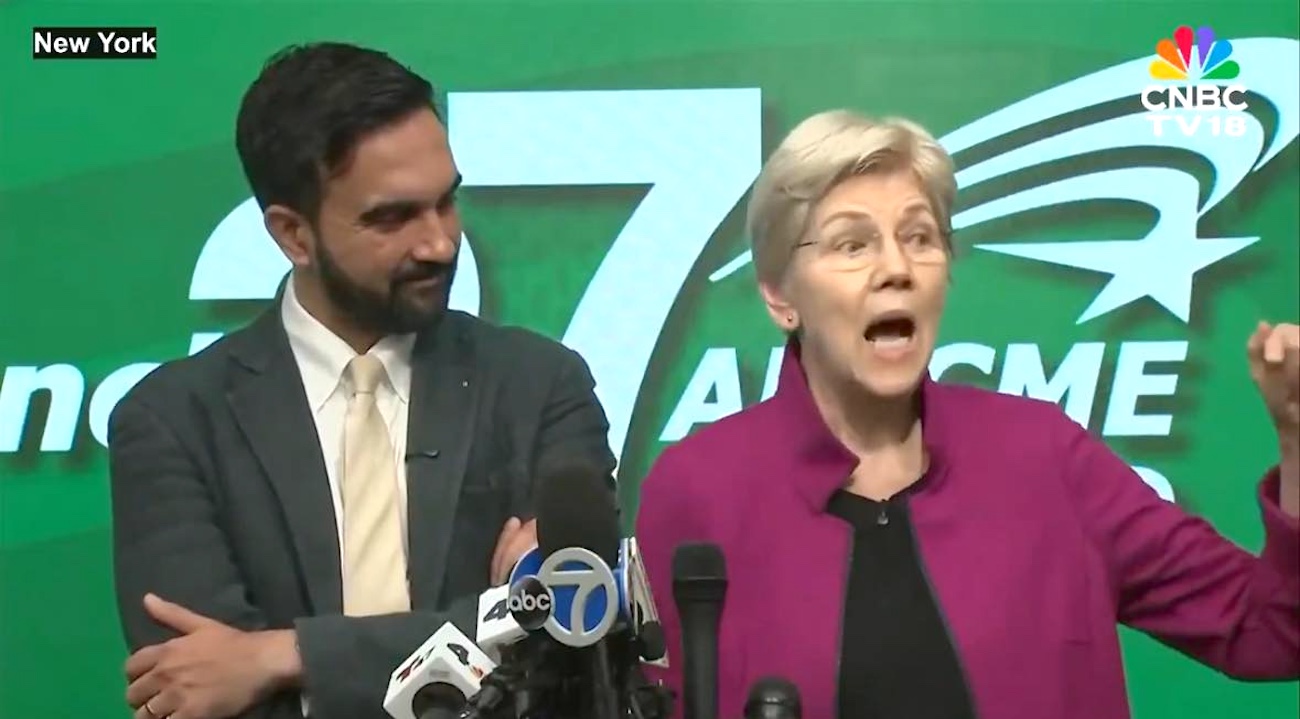

Senator Elizabeth Warren’s high-profile campaign appearance with New York City mayoral nominee Zohran Mamdani this week possibly represents a notable departure from the cautious distance many national Democratic leaders have maintained toward the self-described democratic socialist—and could signal a broader strategic shift within the party.
Warren campaigned with Mamdani on Monday, saying billionaires are trying to buy the election to stop the Democratic socialist, according to CBS New York. The Massachusetts senator’s embrace stands in stark contrast to the hesitation shown by other prominent Democrats, including House Democratic Leader Hakeem Jeffries, who has notably avoided endorsing Mamdani despite his primary victory.
Warren became “one of the most prominent political figures to show their support for him as some national Democrats have kept their distance,” The Boston Globe reported. This isolation makes Warren’s vocal backing all the more significant as a potential weathervane for the party’s evolving relationship with its progressive wing.
In a Rolling Stone opinion piece published Monday, Warren praised how Mamdani “pulled off an inspiring 12-point victory to become the Democratic nominee for mayor of New York” by campaigning “relentlessly on lowering costs for families.” Her framing deliberately emphasized kitchen-table economic issues over ideological labels—a strategic messaging approach that could provide a template for how mainstream Democrats might embrace democratic socialist candidates going forward.
The senator’s approach suggests a potential pathway for national Democrats to embrace democratic socialist candidates: focus on shared economic goals rather than ideological labels.
The Broader Democratic Dilemma
The split reaction to Mamdani within Democratic ranks reflects deeper tensions about the party’s ideological future. While Mamdani’s “message resonates with national Democrats, party members in his home state remain hesitant to endorse him,” The Washington Post reported last month.
This geographic divide may reveal something crucial about changing Democratic priorities. National Democrats, still processing losses to Donald Trump and searching for a winning economic message, appear more willing to embrace populist rhetoric that targets wealthy elites—even when it comes from avowed socialists. Local New York Democrats, meanwhile, remain wary of candidates they view as potentially damaging to the party’s moderate brand.
Warren’s defense of Mamdani centers on economic themes that transcend traditional ideological boundaries. Mamdani “centered his primary campaign around promises to freeze rent, lower costs, and make buses free” and supports “free universal childcare,” according to amNewYork. These policies, while progressive, address cost-of-living concerns that resonate across the Democratic coalition.
The senator’s approach suggests a potential pathway for national Democrats to embrace democratic socialist candidates: focus on shared economic goals rather than ideological labels. By emphasizing affordability and corporate accountability, Warren demonstrates how establishment Democrats might find common cause with the party’s socialist wing without necessarily adopting their broader ideological framework.


Testing Ground for 2026
Some observers see Mamdani and Warren as recognizing “the party’s best chance at taking back power in the 2026 midterm elections,” The New Republic noted. If this interpretation proves correct, Warren’s early embrace of Mamdani could position her as ahead of the curve on a message that other Democrats may eventually adopt.
The success or failure of this approach in New York City’s general election will likely influence whether Warren’s strategy becomes a model for national Democrats or remains an outlier position. For now, her willingness to campaign alongside a democratic socialist suggests at least some establishment Democrats believe the traditional boundaries between progressive and socialist politics may be worth reconsidering.
Warren’s gambit represents more than simple political calculation—it’s a bet that economic populism can bridge ideological divides within the Democratic Party and potentially appeal to voters frustrated with traditional political offerings. Whether that bet pays off could shape Democratic politics well beyond New York City’s mayoral race.