



‘We Are All Thinking of You’: Mamdani’s Letter to Imprisoned Indian Activist Sparks International Incident

- Handwritten note to Umar Khalid triggers BJP accusations, U.S. Congressional action, and debate over democratic values.
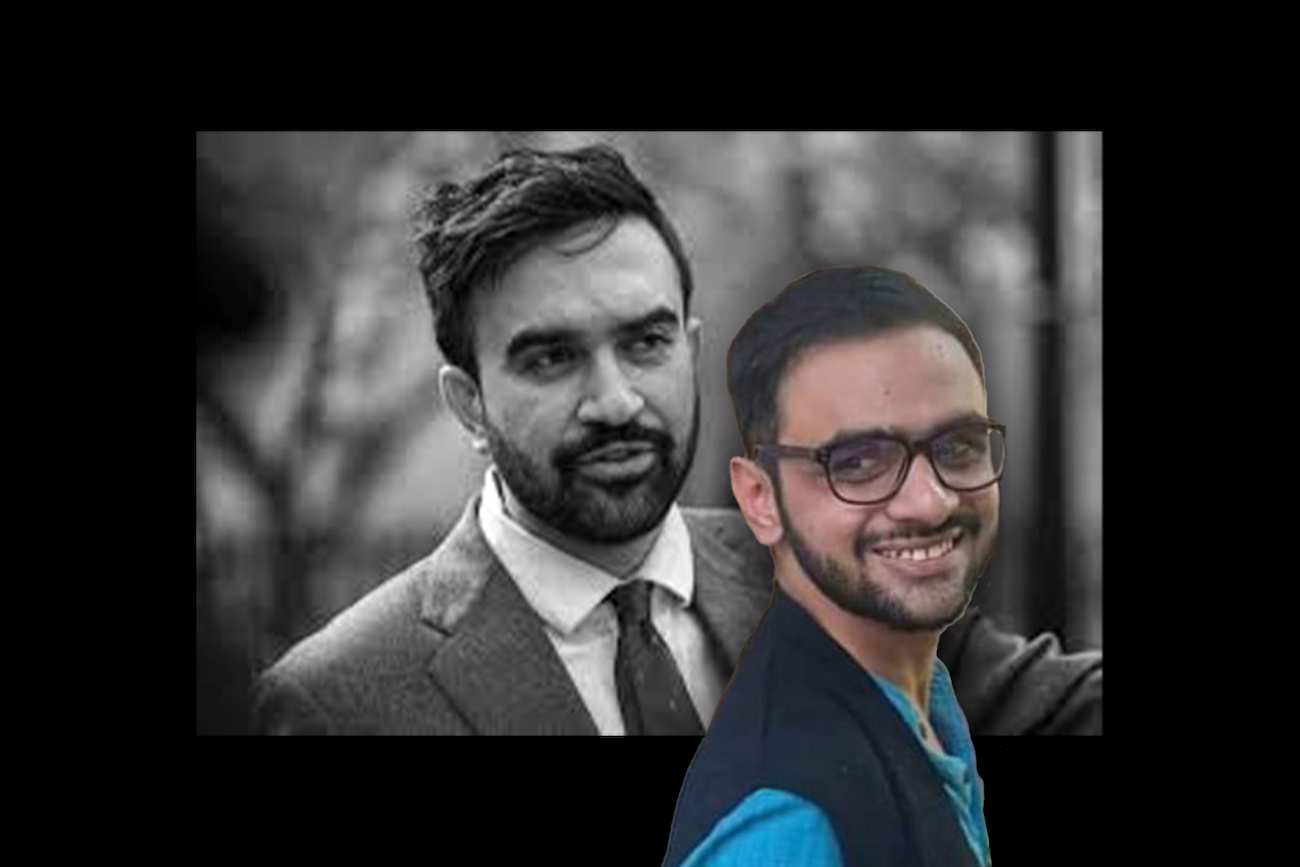

Hours after Zohran Mamdani was sworn in as New York City’s first Muslim mayor on January 1, 2026, a handwritten note he had penned weeks earlier went viral, sparking an international incident between the world’s two largest democracies.
The undated letter, addressed to Umar Khalid—a former Jawaharlal Nehru University student leader imprisoned in Delhi’s Tihar Jail for nearly five years without trial—was brief but powerful: “Dear Umar, I think of your words on bitterness often, and the importance of not letting it consume one’s self. It was a pleasure to meet your parents. We are all thinking of you.”
The gesture, shared publicly by Khalid’s partner Banojyotsna Lahiri with the caption “When prisons try to isolate, words travel,” triggered a sharp rebuke from India’s ruling Bharatiya Janata Party, which accused Mamdani of “interfering” in India’s internal affairs. It also coincided with a letter from eight U.S. Democratic lawmakers urging India to grant Khalid bail and ensure a fair, timely trial.
Within days, the personal note had escalated into a diplomatic flashpoint, raising questions about the limits of international solidarity and whether gestures of human empathy constitute foreign interference in a democratic ally’s judicial process.
Personal Gesture With Political Weight
According to The Week, the handwritten note was given to Khalid’s parents—former JNU professor SQR Ilyas and social worker Naseem—in December 2025 when they were in the United States visiting their elder daughter who could not travel to India for a family wedding.
The timing was significant: Khalid’s sister was getting married, and he had been granted temporary bail from December 16 to 29, 2025—a rare reprieve after multiple bail applications had been denied over the previous four and a half years.
This was not Mamdani’s first public expression of solidarity. According to The Week, in 2023, as a New York State Assembly member, Mamdani publicly read excerpts from Khalid’s prison writings at an event, stating: “I’m going to be reading a letter from Umar Khalid, who is a scholar and a former student activist…who organized a campaign against lynching and hate. He has been in jail for more than 1,000 days under the Unlawful Activities Prevention Act and has yet to face trial.”
Who is Umar Khalid?
Umar Khalid, 37, is a former JNU student leader arrested by Delhi Police on September 14, 2020 under the Unlawful Activities (Prevention) Act (UAPA) for allegedly being among the “masterminds” behind the February 2020 northeast Delhi riots, which left 53 people dead and more than 700 injured.
According to NewsGram, “Khalid has consistently denied the charges.” According to The Logical Indian, the UAPA “renewed in 2024 despite critiques, has a 95% conviction rate post-trial but enables indefinite detention. Human Rights Watch urges review; UN rapporteurs raised Khalid’s case.”
Khalid was granted temporary bail in December 2025 to attend his sister’s wedding—”the first time in more than five years that he has been released from custody”—but was required to return to jail by December 29.
“Foreign Interference”
The BJP’s response was swift. BJP spokesperson Pradeep Bhatia stated at a press conference on Friday, January 3, 2026: “If anybody comes out in support of any accused and interferes in India’s internal matters, the country will not tolerate it.”
According to The Hindu , Bhatia added: “Who is this outsider to raise questions on our democracy and judiciary, coming in support of a person who wants to break India? This is not fair.”
The juxtaposition of a Muslim American mayor of Indian heritage expressing solidarity with a Muslim Indian activist imprisoned under anti-terror laws created a powerful symbolic moment.
The characterization of Khalid as someone “who wants to break India” reflects the BJP’s framing of critics and activists as anti-national—a narrative human rights organizations say has been used to criminalize dissent.
Congressional Pressure
Mamdani’s personal gesture coincided with—and according to TRT World, may have helped catalyze—a more formal diplomatic intervention.
According to The Tribune India and multiple sources, eight U.S. Democratic lawmakers wrote to Indian Ambassador Vinay Kwatra on December 30, 2025, urging that Khalid be granted bail and a “fair, timely trial in accordance with international law.”
The letter was led by Congressman Jim McGovern, co-chair of the Tom Lantos Human Rights Commission, and Representative Jamie Raskin. The other signatories included Senators Chris Van Hollen and Peter Welch, and Representatives Pramila Jayapal, Rashida Tlaib, Jan Schakowsky, and Lloyd Doggett.
The letter stated: “The U.S. and India share a long standing strategic partnership that has historically been rooted in democratic values, constitutional governance and strong people-to-people ties,” adding that “as the world’s largest democracies, both nations have an interest in protecting and upholding freedom, the rule of law, human rights and pluralism.”
The lawmakers noted that Khalid “has been detained without bail for five years for charges levied under the Unlawful Activities Prevention Act, which independent human rights experts have warned may contravene international standards of equality before the law, due process and proportionality.”
The Representatives also asked why judicial proceedings have yet to begin more than five years after Khalid’s arrest.
Significantly, according to The Week, several of the lawmakers noted they had met Khalid’s parents earlier in December 2025 in Washington.
McGovern posted on social media: “Earlier this month, I met with the parents of Umar Khalid, who has been jailed in India for over five years without trial. Representative Raskin and I are leading our colleagues to urge that he be granted bail and a fair, timely trial in accordance with international law.”
According to Indian News Network, “BJP officials reacted strongly to the letter, alleging links between the lawmakers and the Indian National Congress party leader, Rahul Gandhi,” with spokesperson Pradeep Bhandari claiming that previous interactions “raised questions about the motivations behind the letter.”
Social Media Response
According to The Week, the letter “gained traction on social media” after being posted by Khalid’s partner.
According to The Logical Indian, “It has gone viral, sparking debates on social media about justice, free speech, and international solidarity. Supporters hail it as a beacon of humanity, while critics question its propriety given the gravity of charges against Khalid.”

The publication quoted a social media post: “The iron bars may cage a person, But ideas and solidarities they cannot hold. Zohran Mamdani writes words of strength and hope to Umar Khalid. #FreeAllPoliticalPrisoners”
Historic Context
The timing of the letter’s public release—immediately after Mamdani’s historic inauguration—added symbolic weight.
The juxtaposition of a Muslim American mayor of Indian heritage expressing solidarity with a Muslim Indian activist imprisoned under anti-terror laws created a powerful symbolic moment—one that resonated across diaspora communities and complicated the Indian government’s narrative.
According to The Logical Indian, “As a DSA-backed progressive of Ugandan-Indian Muslim heritage, he views Khalid through a lens of anti-colonial resistance and free expression.” Khalid’s prison writings have emphasized themes of “non-bitterness and hope”—a remarkable stance for someone who has spent nearly five years in pretrial detention.
This philosophical commitment to avoiding bitterness despite prolonged imprisonment without trial appears to have deeply impressed Mamdani, who referenced it in both his 2023 public reading and his 2025 personal letter.
Personal and Political
Mamdani’s handwritten note to Umar Khalid was, on its face, a simple gesture of human solidarity—one newly elected official expressing support for an imprisoned activist he had never met, channeling words of encouragement through the activist’s parents.
But in the context of India’s increasingly authoritarian approach to dissent, the weaponization of anti-terror laws against Muslims and critics of the Modi government, and diplomatic sensitivities between the world’s two largest democracies, no such gesture can remain purely personal.
The BJP’s characterization of the letter as “foreign interference” reflects a government increasingly defensive about international scrutiny of its human rights record. The congressional letter—signed by senior Democratic lawmakers with significant foreign policy influence—elevated the issue beyond symbolic solidarity to formal diplomatic pressure.
Whether Mamdani’s letter will materially affect Khalid’s legal situation remains unclear. But it has succeeded in placing international attention on a case that, according to TRT World, demonstrates how Modi’s government has “weaponized anti-terror law against Muslims.”
For Khalid, now back in Tihar Jail after his brief December reprieve, the knowledge that “we are all thinking of you”—as Mamdani wrote—may offer cold comfort after nearly five years without trial. But as his partner wrote when sharing the letter: “When prisons try to isolate, words travel.”
And in this case, those words traveled from the office of New York’s newly inaugurated mayor to a jail cell in Delhi, and from there to millions of social media users, congressional offices in Washington, and diplomatic cables between capitals—proving that even small gestures, when precise enough, can matter.
This story was aggregated by AI from several news reports and edited by American Kahani’s News Desk.