




Noise, Crowds and Neighborhood Rights: Fremont Hindu Temple Dispute Echoes Amid Growing Anti-Indian Sentiments

- Neighbors in Fremont, California, say large temple events have disrupted their daily lives, prompting more than 25 noise complaints to city code enforcement over the past year.
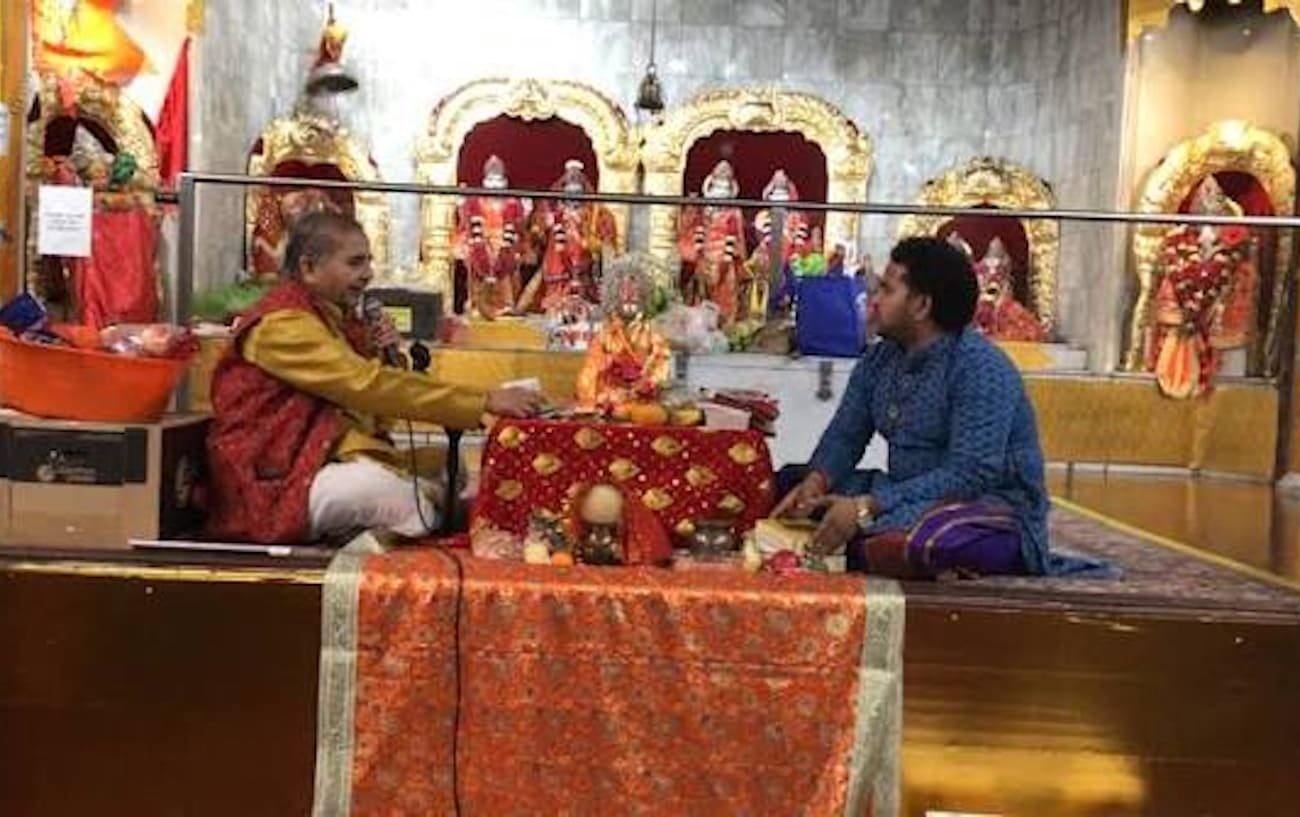

A dispute between residents of Fremont, California, and a nearby Hindu temple is bringing renewed attention to a challenge facing some rapidly growing religious institutions in the United States: how to accommodate large congregations and festivals without placing an unreasonable burden on surrounding neighborhoods.
In a report published October 29, NBC Bay Area said residents had submitted more than 25 noise complaints to Fremont’s code-enforcement authorities over the previous year. The neighbors, who requested anonymity, said events at the temple brought large crowds and disruptive noise into their neighborhood, sometimes during school hours. They also complained that amplified sound continued past 9 p.m. during a recent event for which the temple had obtained a special-event permit.
The report, by NBC Bay Area journalist Pete Suratos, said the city had received complaints about the latest event and was investigating them. City officials told the station that staff would continue coordinating with the temple and nearby residents, monitoring activities and adjusting future permitted events as appropriate. The station said it had contacted the temple’s president for comment but had not received a response by publication.
The neighbors said they were not opposed to religious gatherings themselves. Their concern, according to the report, was the scale and conduct of events and the effect on people living nearby.
The distinction is important. The complaints are documented, but they do not by themselves establish that the temple violated city rules or that every event has caused a nuisance. The city’s review will help determine whether the reported incidents breached permit conditions or noise regulations.
NBC Bay Area did not identify the temple by name, and the residents who spoke to the station remained anonymous.
Fremont’s Rules—and the Question of Enforcement
Fremont has a municipal noise ordinance designed to protect residents from excessive, unnecessary and unreasonable noise. The city’s published guidance says disturbing noise is generally prohibited between 10 p.m. and 7 a.m., and specifically addresses amplified sound, music, chanting and other noise. The ordinance also contains exceptions, including for permitted special events.


That makes the conditions of the temple’s special-event permit particularly relevant. The reported 9 p.m. cutoff for amplified sound appears to be a condition of that event’s permit, rather than the citywide nighttime limit. Whether the temple exceeded the permitted hours, and what action the city may take, remain matters for officials to establish.
The neighbors told NBC Bay Area that they met with city officials and temple representatives in July to discuss the problem. The latest complaints suggest that the meeting has not yet resolved the dispute. But the city’s stated approach—continued coordination, monitoring and possible adjustments to future permitted activities—leaves room for a negotiated solution before the conflict escalates.
The underlying issue is not unique to Fremont. As Hindu communities have grown across the country, some temples have sought larger facilities to accommodate worship, religious education, festivals, kitchens and cultural activities. When those facilities are near homes, questions about parking, traffic, noise, lighting and the size of buildings can become contentious.