




Gloria Steinem, Feminist Icon: Gandhian Activism was the Philosophical Foundation of Her Life’s Work

- Her work with Bhoodan and Radical Humanist activists directly informed the consciousness-raising methods that became the foundation of American second-wave feminism.
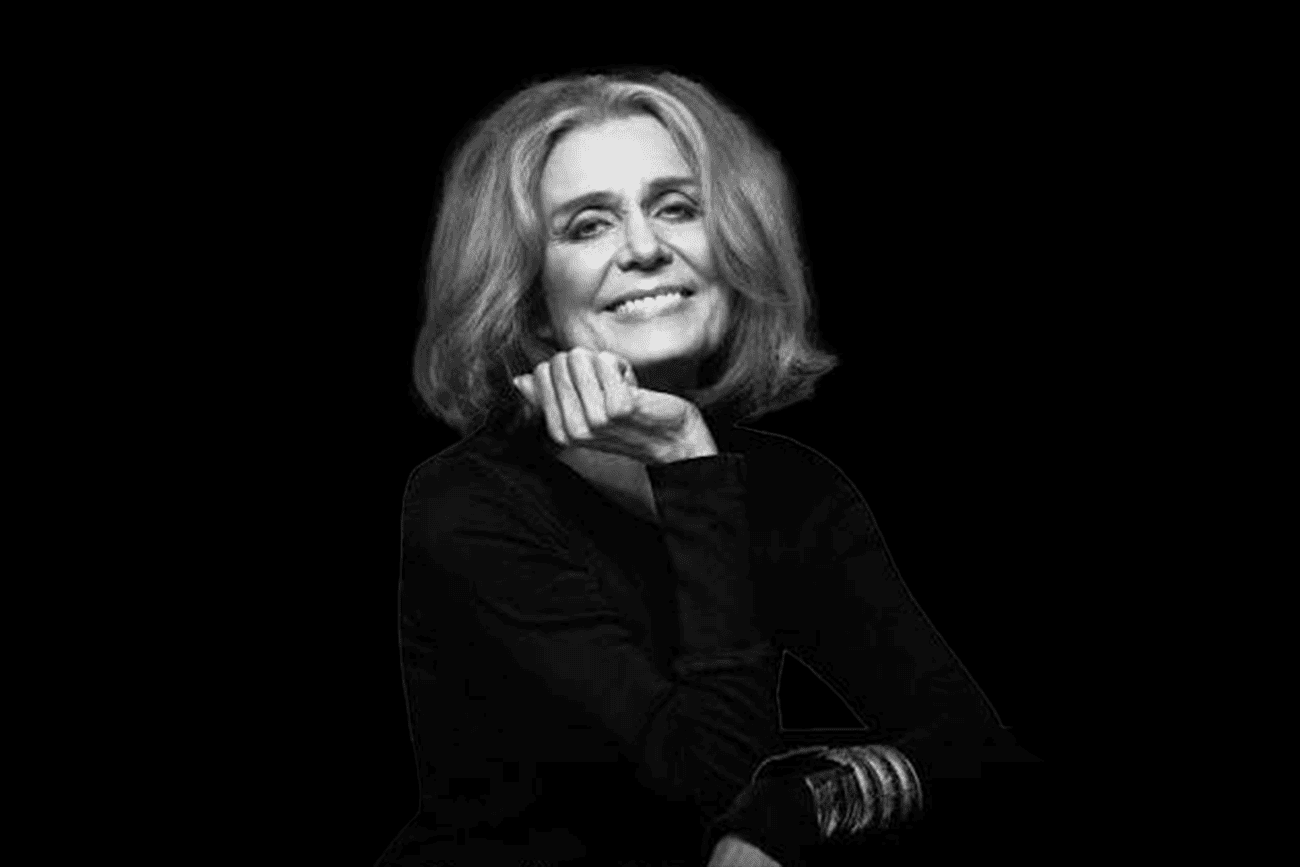

Gloria Steinem, the American feminist pioneer whose activism was profoundly shaped by two years spent in India engaging with Gandhian activists and anti-caste violence organizers, died Wednesday at her home in New York City. She was 92.
“Gloria Steinem passed away peacefully at her home in New York City, surrounded by some of the many who loved her,” the statement posted on her Instagram read on Wednesday. “Gloria’s near-century on earth were years well-lived, and she continued working for equality until the very end.”
While Steinem is remembered in America primarily as the co-founder of Ms. magazine and the face of second-wave feminism, she credited her transformative experiences in India as the genesis of her lifelong commitment to grassroots activism and the organizing methods that defined American women’s liberation.
The India Fellowship That Changed Everything
After graduating Phi Beta Kappa from Smith College in 1956, Steinem spent two years in India on a Chester Bowles Asian Fellowship beginning in 1957. This was not a passive academic exercise; Steinem immersed herself in Indian activism at the grassroots level.
“After the Delhi year she bought a third-class railway ticket and went south,” according to a detailed account in Substack. “She visited the Theosophical Society at Madras, travelled through Kerala, and moved among temples and villages in a sari.”
Most significantly, Steinem worked alongside Gandhian activists and the Bhoodan movement led by Acharya Vinoba Bhave. “Going from village to village with Vinoba Bhave’s followers and learning about Gandhian activism probably helped me to become what I am today,” Steinem said in a 2007 interview with Meenakshi Mukherjee and Ira Pande for the India International Centre Quarterly.
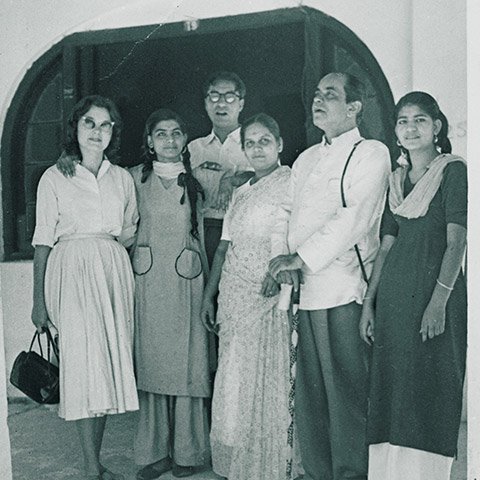
She continued: “But, if you want to know how people live, you have to go where they live; if you want people to listen to you, you have to listen to them. I learned that in India.”
The Radical Humanist Connection
During her time in India, Steinem became connected to the Radical Humanist movement, descended from Indian communist leader M.N. Roy’s break with orthodox communism. Through Roy’s wife Ellen Roy, Steinem built relationships within India’s radical intellectual circles, according to Live History India.
Most crucially, Steinem walked through villages around Ramnad in Tamil Nadu with Gandhian activists working to stop caste riots. “She sat in on the night meetings at which people came to say what had been done to them,” according to reporting from Substack, citing her personal accounts.
Lessons That Shaped American Feminism
According to scholarly analysis, Steinem’s India experiences directly informed the consciousness-raising methods that became the foundation of American second-wave feminism. As one dissertation argues, Steinem “absorbed a repertoire of organizing practices — listening across difference, lateral and leaderless structure, decision by consensus, and the conversion of personal testimony into political analysis” from her work with Bhoodan and Radical Humanist activists, according to research at Southern Methodist University.
Throughout her career, Steinem maintained strong connections to Indian women’s activism and feminist concerns. She was “particularly interested in the shared origins of sex and race caste systems, gender roles and child abuse as roots of violence.”
“This study shows that these practices…reached American practice along a postcolonial route that has gone largely unexamined,” the research notes, showing how India was not merely background to Steinem’s later work but its philosophical foundation.
Steinem herself emphasized this point: “Her experiences in India changed the way Steinem approached activism as she realized that a problem had to be resolved from the grassroots level,” according to Live History India.
When Steinem returned to America and helped establish consciousness-raising groups that became central to the women’s liberation movement, she was drawing directly on lessons learned from watching Gandhian activists listen to villagers’ experiences of caste violence and collective trauma.
Connections to Indian Women’s Activism
Throughout her career, Steinem maintained strong connections to Indian women’s activism and feminist concerns. She was “particularly interested in the shared origins of sex and race caste systems, gender roles and child abuse as roots of violence,” according to her official biography.
This focus on the intersection of gender oppression and caste systems — distinctly informed by her India experience — became a central theme in her later work. She emphasized “organizing across boundaries for peace and justice,” language that echoed her years working with Indian grassroots movements.
Indian journalists and writers have noted Steinem’s particular significance for Indian women’s movements. Manraj Grewal Sharma, Resident Editor of the Indian Express at Chandigarh, marked Steinem’s death by reflecting on her formulation that “we have by now settled that women can do whatever men can do, and that the converse has never really been put to the test,” according to Substack.
Sharma noted that this principle had particular resonance in the Indian context: “Our women’s movements have fought these on their own terms and in their own vocabulary, on questions that cannot be imported from any other society: dowry, land titles, caste, nutrition, communal insecurity, unequal citizenship inside the household. The principle underneath, though, crosses borders without a visa.”

Steinem’s decades-long work on gender equality, reproductive rights, and economic justice for women made her an icon globally, but her understanding that local contexts matter — learned in Indian villages — informed her insistence that women’s movements must be grounded in communities’ own experiences and struggles.
The Global Icon
Beyond her India work, Steinem became one of the most visible advocates for women’s rights globally. In 1971, months before co-founding Ms. magazine in 1972, Steinem helped establish the National Women’s Political Caucus, which focuses on recruiting, training and endorsing more women in politics, according to NPR.
According to CNN, Steinem “devoted her life to fighting for women’s rights in the workplace, the right to abortion and sex education,” and continued to be “a vocal proponent of feminism and other liberal causes, like anti-war activism, into her 90s.”
Former President Barack Obama awarded her the Presidential Medal of Freedom in 2013, the nation’s highest civilian honor. “Because of her work, across America and around the world, more women are afforded the respect and opportunities that they deserve,” Obama said, according to NPR.
A Continuing Memoir
Steinem’s forthcoming memoir, “An Unexpected Life,” is set for release on September 22, 2026, according to reporting about her estate. Given her lifelong emphasis on her India years as transformative, the book is expected to provide additional reflection on how her experiences in India shaped her evolution as an activist and organizer.
According to her foundation’s statement, Steinem “spent her recent years doing the two things she loved most: being in community with others and writing. She has welcomed hundreds of guests into her living room for Talking Circles, a tradition she insisted will continue long after she is no longer with us.”
The Talking Circles themselves — bringing people together to share personal stories and learn from one another — were a direct legacy of the listening circles she experienced in Indian villages working against caste violence.
Gloria Steinem’s death marks the end of nearly seven decades of activism rooted in lessons learned from India’s grassroots movements, from watching Gandhian activists mobilize villagers against caste violence, and from understanding that sustainable social change comes from listening to and organizing with communities themselves.