


The Narcissist Immigrant and the Abused Dependent Spouse — A Plea to Reform the System

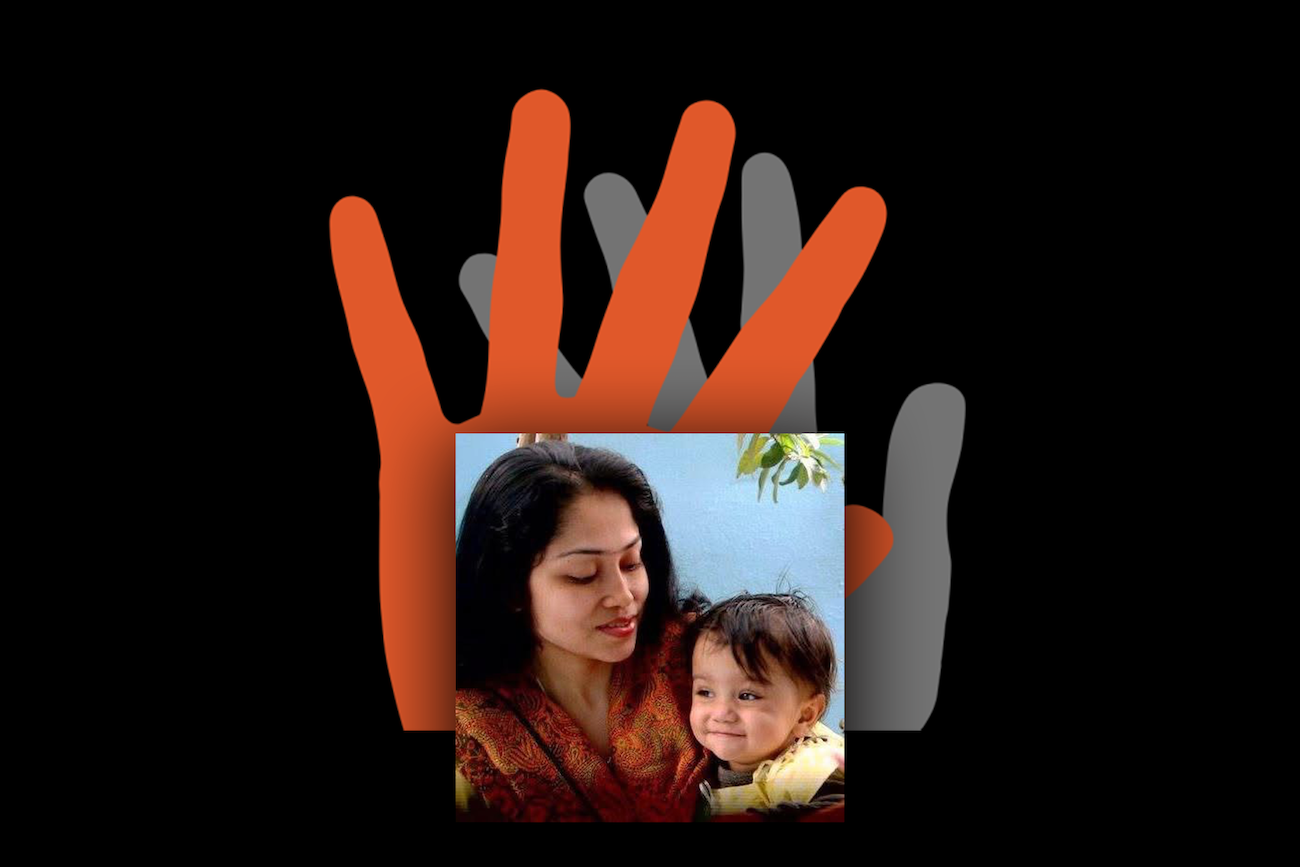

“Before the end of a beautiful dream
That reversed into a nightmare
Let me try and make a change that will last
Even when I am not there…”
Apu and Mano met in high school and dated for eight years before marrying in 2007. Mano’s parents never approved, constantly humiliating Apu and her family for not providing adequate dowry or expensive gifts. This story represents many unheard cries of dependent immigrant women trapped in oppressive marriages and unjust immigration laws.
The Move (The Dream)
In February 2017, Apu stood outside the USCIS building in Kolkata, clutching her approved visa. After graduating from Loreto College with a degree in English Literature, she had long dreamed of moving to America. Now, accompanying her H1-B visa holder husband Mano, that dream was finally coming true. In June 2017, Apu, Mano, and their 9-year-old daughter Arshia arrived in America, leaving behind secure jobs, family, and friends.
The Shock (Dream or Nightmare?)
The quiet New Jersey suburbs contrasted starkly with bustling Kolkata, but something else felt wrong—Mano’s disposition. He seemed distant, glued to his phone, and increasingly rude. Behind closed doors, he made demeaning remarks and blamed Apu for being controlling. Her dream was becoming a nightmare.
Back in India, Mano’s parents had constantly humiliated her for not bringing dowry. She had tolerated it, trusting Mano’s assurance that he would always support her and their daughter. But when Apu discovered Mano was working illegally outside his H1-B restrictions to make extra money and confronted him, he physically abused her while Arshia watched.
Arshia called her grandfather to complain, but he blamed her mother: “She shouldn’t interfere in my son’s decisions. She should be a good wife.”
When Apu threatened to leave, Mano displayed classic narcissistic behavior, holding both wife and daughter while promising to change. Then he added: “What will you do in India? You left your job there. Here you’ll soon have your work permit. And Arshia needs stability. I will secure her future—you can’t, right? Not yet.”
Apu had no choice but to stay, though she began working, saving, and planning an unclear escape.
The Betrayal
Years passed with Apu walking on eggshells. In public, Mano played the doting husband. At home, he abused, humiliated, and cheated on her. When she questioned him, she received silent treatment, gaslighting, and shaming.
Then she discovered he had been tracking her phone, social media, and messages. She found a pen drive containing sensitive pictures he’d filmed. When she confronted him, Mano hit her and broke things. Arshia begged, “Ma, please call the police.” Mano screamed back, “Yes, go ahead. Then let me see who takes care of you both—dependent on me.”
The next day, Apu consulted an immigration lawyer through her employer. The news was devastating. “As an H4 dependent visa holder, when you file for divorce, you lose your status and must leave the country after the divorce finalizes,” the lawyer explained. “He will likely contest custody since you lack sufficient income. The stakes are high that he’ll win.”
Apu remembered Mano’s words: “Go back if you wish, but Arshia stays with me.” He clearly knew the system’s loopholes—bringing a spouse to the U.S. while isolating her from everything that gave her power.
“I’m well-educated with work experience in multiple countries and currently working. Isn’t there any law that protects my dignity?” Apu asked desperately.
“I’m sorry, that’s how it is,” the lawyer replied.
Apu remembered Mano’s words: “Go back if you wish, but Arshia stays with me.” He clearly knew the system’s loopholes—bringing a spouse to the U.S. while isolating her from everything that gave her power.
When she called police about the phone tracking, they informed her that since the phone was registered in Mano’s name, he had the right to track it.
Beyond Betrayal
Mano was cheating with a Gujarati woman more than a decade younger from an extremely wealthy family. When confronted, he threatened to divorce her and take Arshia’s custody. She had to live under the same roof with someone she could no longer trust, trapped by immigration constraints and threats of divorce and abuse.
When Mano’s parents visited, they supported their son’s misdeeds and demanded Apu leave the home they had bought together with her savings. They shamelessly blamed her for not being a good wife, for not bringing enough money, for birthing a girl instead of a boy.
Her father-in-law declared: “Now that he earns dollars, any woman will marry him and bring dowry. Mano came to USA to earn money and drive you out—divorce laws are easy here, not like India.”
Apu begged Mano to defend her. “I can’t do anything. I know I’m doing injustice, but money is important. If you have money, you have everything,” he replied.
“Take your kid and leave, if you can’t leave her with her father,” the father-in-law screamed.
“Where will I go? I left everything trusting you, Mano,” Apu cried.
“Go struggle then, you educated modern woman. You’re nothing without me. Keep your mouth shut or fend for yourself,” Mano replied shamelessly.
“Leave our son, you whore. It’s your fault he has to beat you and find pleasure outside home,” his father added.


Arshia, watching throughout, spoke up: “How dare you say that to ma? My father is clearly at fault. I don’t want to be with you—I’ll go with ma.”
“We don’t want you either. You’re both dead to us from this moment,” her grandfather replied.
“I will not leave. It’s my home. I didn’t do anything wrong,” Apu declared. As she spoke, Mano charged and hit her hard across the face. Arshia screamed. That moment, Apu called the cops.
The Impossible Choice
Mano was arrested and spent two days in jail. During trial, the prosecutor explained that Apu could dismiss the charges—but if she didn’t, both she and Arshia would be deported since they were on dependent visas. Apu had no choice but to let a criminal go free to secure her daughter’s future. The system’s rules couldn’t answer for what happens next.
The Adventure (Rebirth)
The following months were harrowing. While juggling work, legal documents, finding housing, and paying divorce and immigration lawyers, Apu was stripped of health benefits and financial support. Her in-laws blamed her for sending their “innocent son” to jail. She had nobody to help her in the United States.
But she kept her faith in herself, the Divine, and her family in India. Her aging mother gave her strength over the phone: “You have to fight this. You’re educated, you did nothing wrong, and you’re a good human being. We love you and God is with you. Remember, you are Aparajita—it means Invincible.”
Aparajita eventually moved to a single-bedroom apartment with her daughter and enrolled in college majoring in Addiction Counseling Studies. Although she held a Bachelor’s in English Literature and Master’s in Psychology from India, securing a legal work permit in the USA required changing her status to a Student Visa. Working part-time while attending college, she gradually picked up her broken pieces to rearrange them and rewrite a story of dignity—transforming from victim to victorious, becoming a voice for many immigrant dependent spouses.
A Plea
This is a plea to both India and America to address these glaring yet overlooked issues resulting in gruesome stories of abuse and violence every year. Many dependent immigrant women from India face similar or worse situations. The H1-B visa, introduced to bring skilled labor, has become one of the most abused visas, bringing underskilled workers on low wages who manipulate immigration constraints to abuse and control their dependent wives and children.
Both governments must create stringent laws ensuring nobody can use control in the name of dreams.
Aparajita Banerjee (Sahoo) has a Masters in Psychology and a Bachelor in English Literature from University of Calcutta. A single mother of an amazing teenage daughter, who fell in love with Psychology in high school and has always been intuitive, introspective and interested to explore the deep secrets of the human mind and its manifestations. A professional ESL (English as Second Language) teacher with experience teaching in India, Japan and the U.S., she works with Autism and Dementia population in the U.S.
This is a heartwarming real-life story, and like other laws in the USA, this one also deserves to be revisited. Other people should also raise their voices.