


Sixteen Years After Lahore Bombing — A Life Marked by Premonition, Trauma, War, and Purpose

- I will fight for anyone who needs someone to fight for them. I will honor every life I could not save, by fighting fiercely, for every life I still can.

There are moments when fate stands so close you can feel its breath on your skin.
Some people encounter that moment once. I met it twice, both times on December 7th.
December 11. The date has passed again, but my body is still catching up.
Long before my mind understands what is coming, my body remembers. Every year, as November ends, something shifts inside me, quietly at first, then unmistakably. My chest tightens. My nerves fire. A heaviness settles into my limbs that I can’t fully explain, only recognize. Some years it loosens by mid-January. Some years it lingers until February. December 7th is not a single day for me; it is a season my nervous system enters without permission.
This date changed my life twice.
It has been twenty-two years since the rape.
It has been sixteen years since the suicide bombing.
Two different moments. Same date. Both powerful enough to alter the entire trajectory of my life.
December 7, 2003 — When My First Life Ended
The first time fate stood next to me was the day I was raped in 2003. That single act detonated my youth long before any bomb ever would. What followed was not justice, it was punishment:
Honor-killing attempts.
Family shame.
Forced silence.
A forced marriage to my rapist.
Years of emotional, psychological, and physical captivity.
My voice evaporated.
My identity collapsed.
My dreams disappeared.
I didn’t survive because I was protected.
I survived because God didn’t let me die.
At the time, I didn’t understand that survival wasn’t the end of something, it was the beginning of an assignment.
2004–2009 — Survival, Not Living
When I arrived in the United States on December 5, 2004, I arrived hollow.
Not hopeful. Not healed. Barely functioning.
The years that followed were years of endurance. Pregnancies used as control. Isolation. Depression. PTSD. A slow suffocation of self.
By 2009, I was a mother of two:
Asad, two years old.
Laila, nine months old.
I returned to Pakistan unaware that another December 7th was waiting for me.
The Premonitions — A Warning I Didn’t Understand
Before I boarded the plane from Seattle, something in me knew danger was coming.
For weeks, dreams shook me awake, dark, heavy, urgent. Two days before my flight, we were going to my ex-in laws house and I panicked so bad my ex-husband gave a pan-handler money as “sadaqqah” (charity). My ex-father-in-law’s best friend was at the house and warned me:
“There are terror attacks in Lahore. It’s not safe for you to go.”
And without thinking, without understanding, words left my mouth:
“If it’s not my time, a bomb can explode right next to me and I won’t even fall.”
I thought the dreams were about losing my children during travel. I was flying alone with a toddler and an infant. I had no idea those premonitions were preparing me for something far more catastrophic. I even posted on Facebook kind of downplaying my fear so I don’t sound unhinged:
“Sorry to all my friends who have been trying to reach me. As of 3:12 am i am still packing and have to get to the airport in 45 mins. I will call you guys from Pakistan. Thank you for the kind wishes. Pray for me that my kids don’t drive me crazy or I don’t lose either one of ’em. Oki doki take care and talk to you guys soon! Will miss everyone.”
December 7, 2009 — Moon Market
I had arrived in Pakistan less than twenty-four hours earlier.
That evening, I dragged my sister to Moon Market to buy slippers for Asad and Laila. She was preparing for her engagement. I did not fly across the world to attend her funeral.
Before the blast, I noticed a woman in a niqab. She passed us three times, stopping too close each time. Her eyes moved unnaturally sliding side to side in a way I had never seen in any human being. Not in healthcare. Not in trauma. Not in mental illness.
Just wrong. My sister whispered, “Anny, she might steal your purse. Keep it close.” We were tragically wrong.
She wasn’t a thief. She wasn’t out of place by accident. She was out of place because she wasn’t planning to survive the next few seconds.
I thought the dreams were about losing my children during travel. I was flying alone with a toddler and an infant. I had no idea those premonitions were preparing me for something far more catastrophic.
The third time she paused beside us, a chill ran through both of us. My sister instinctively stepped deeper into the alley. I remained slightly outside, watching the woman walk away.
And then she became a ball of fire. That moment strange peace settled over me. Not comfort, a knowing. This is what I was being warned about.
The Blast
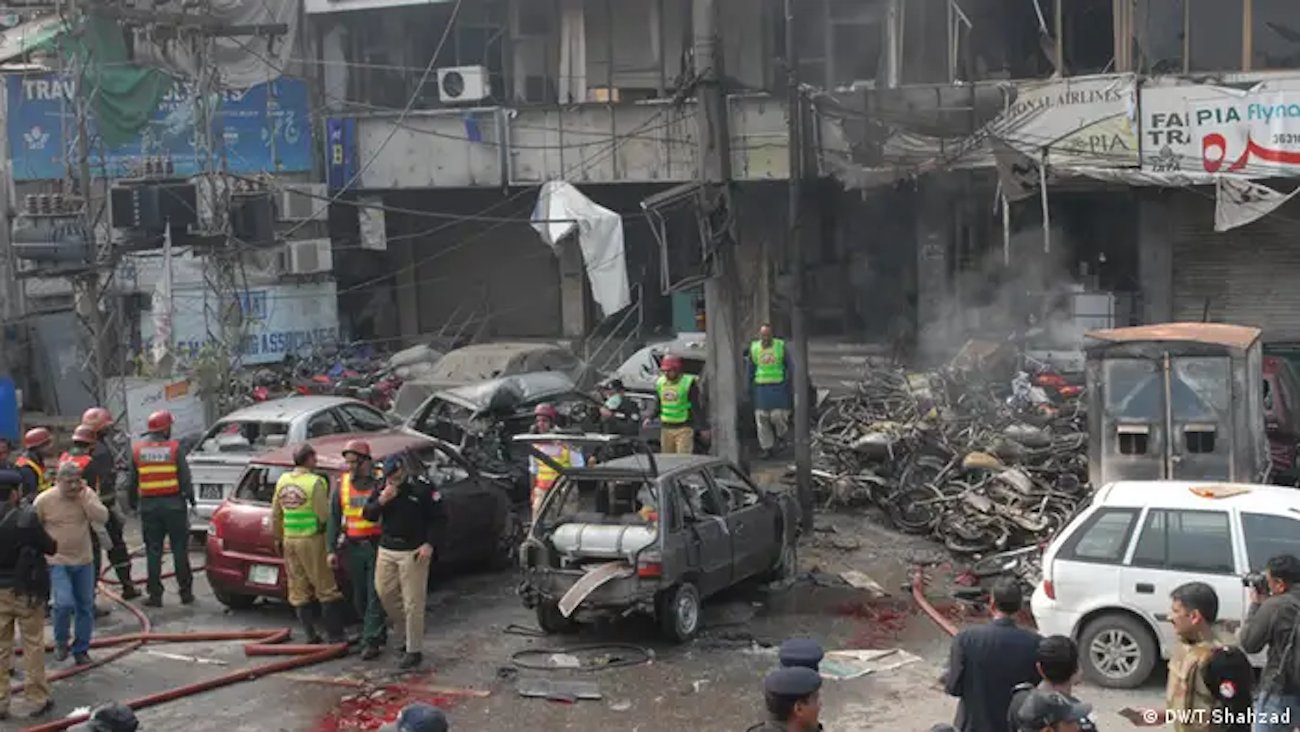
The explosion was so violent that although I remained standing, my clothes whipped violently around my body as if I were inside a wind tunnel, fabric snapping, hair flying, pressure slamming into my chest.
I tried to scream for my sister, but no sound came out. My throat sealed instantly from the impact.
Through the smoke and fire, I saw her, a mother, holding on to a toddler with all her strength. Her arms reached towards me. Her toddler was slipping. Her body was collapsing forward. Instinctively, I moved toward her to grab the child.
Then, through the roar of gunfire, blasting flames, the ringing in my ears, the chemical burn in my throat, the dust impacting my airways, I heard my sister’s voice calling my name “Anny”. Something deeper, primal took over me. Everything inside me shut down except one command: “Save your sister.”
Survival has no logic. Only instinct.
I dropped to my knees because at the same time a gunman opened fire from a AK47 right behind me. I started crawling on shattered glass, on autopilot, towards the direction I heard my name. I found my sister half-buried in debris. She thought she had lost her leg. I held her face and whispered:
“Don’t look down. I’ll take you home. I won’t let anyone hurt you.”
Gunfire erupted. Terrorists firing at civilians trying to escape. Exploding generators. Fires everywhere. A coordinated massacre. I dragged her through the alley where multiple bombs had detonated, through bullets, smoke, and flames, until we escaped.
Only later did I realize my body was covered in embedded shards. My ears rang for seventy-two hours. My skin burned with rashes from the chemicals. My throat and eyes burned.
But that wasn’t what hurt the most.
The Mother and the Baby — The Wound That Never Heals
What hurts is the mother I left behind.
I still see her hand reaching toward me. Still see the terror in her eyes. Still see the toddler slipping from her arms.
I still ask God:
“Why did I forget her in that moment? Did I commit a sin?”
I have helped countless people in my life. I have never turned away from someone in need. But this one moment, this split-second choice, will stay with me until my last breath.
I pray she survived. I pray the baby survived.
But the images that followed, the charred mothers holding charred children that flooded the media after the bombing, make me fear the truth.
Aftermath, Erasure, and Anger

By the time we reached home, relatives, friends were already gathered. My family is rooted in Lahore. People know us, my extended family, my grandparents.
The rickshaw driver who I had hailed refused my money. He told me to go home and prayed for mine and my sister’s protection and recovery.
That night and the next day, funerals filled every neighborhood.
And yet the media reported thirty deaths. Seventy. One hundred.
We all knew it wasn’t true.
Bodies were burned beyond recognition. Lives erased in seconds. And the erasure, the way those lives were reduced to numbers, still angers me.
If Seconds Did This to Me, What Does War Do to a Lifetime?
If a few seconds could change my life forever, what happens to people born into war?
People think war is just death.
But war is also:
lifelong lung damage
permanent hearing loss
chemical burns
skin infections
panic attacks
PTSD
infertility
cancer
trauma lodged into DNA
And yet people say:
“Send them back.”
“Close the border.”
“They’re illegal.”
“Not our problem.”
Conflicts do not appear out of thin air. They are engineered, funded, and sustained, often by the same nations that later deny refuge.
So yes, we have responsibility. We have obligation.
Refugees, migrants, undocumented families, asylum seekers, they are the mother and baby I could not save. They are the lives I refuse to forget.
December 11 — What Remains After December 7
Now the date has passed again.
This morning, as December 7 faded into December 11, I felt the familiar crash after the storm. Crisis referrals continue to come in while my body is still reliving the fire and glass. I take the calls anyway. Service has always been instinctive for me. Survival taught me how to function through pain long before it taught me how to rest.
This year something finally shifted, not collapse, but clarity. I realized I cannot keep reliving this every year. Because if I had not survived that bombing, Asad, now eighteen and Laila, now sixteen would have grown up without their mother. My sister, the one I crawled through shattered glass to pull out of that alley would not be alive today.
That matters.
There were blessings born from devastation. My three children are the greatest of them. I cannot imagine a world without them, and I never want to live in one where any of them do not exist.
So now, I am choosing something different.
I am choosing purpose over pain. Survival over suffering. Meaning over memory alone.
I am renewing a promise to myself:
I will live authentically. I will walk boldly. I will speak truth, even if I am the only one standing. And I will fight for anyone who needs someone to fight for them. I will honor every life I could not save, by fighting fiercely, for every life I still can.
My survival is not an accident. It is my assignment.
Top image, courtesy of dw.com. Two bomb blasts and a shooting which occurred in a crowded market in the country’s second largest city of Lahore on December 7, 2009. At least 66 people were killed. Most of the victims were women.
Anny Reha is an advocate with extensive experience supporting families facing homelessness, displacement, and crisis. In her most recent role as the Commonwealth of Massachusetts’s Regional Director for the family shelter system, she oversaw shelter providers in the Boston and Northeast Massachusetts region, that provide housing, safety, and stability for some of the area’s most vulnerable communities, including survivors of domestic violence, migrants, and children. Driven by her own lived experience as a survivor and mother of a survivor, Anny brings deep empathy and resilience to her work. She has built a career across healthcare, community clinics, LGBTQ+ and refugee services, re-entry programs, and emergency response, including serving in COVID-19 isolation facilities. She is also the founder of a nonprofit dedicated to culturally sensitive, trauma-informed care. Anny believes that while trauma is never a choice, healing is, and that every woman deserves the chance to rise, dream, and lead without compromise.