


‘Too Much Testosterone’: How ‘Dhurandhar’ Ignited India’s Fiercest Film Criticism Battle—Critics Under Siege

- What followed the film’s release was not simply a debate about its artistic merits but a battle over who controls the narrative around Indian cinema—one that has exposed deep fractures between India’s film critics and a right-wing online ecosystem.

When Anupama Chopra posted her video review of “Dhurandhar” on The Hollywood Reporter India’s YouTube channel, she called Aditya Dhar’s three-hour-and-34-minute spy thriller “exhausting, relentless, and frenzied,” driven by “too much testosterone, shrill nationalism, and inflammatory anti-Pakistan narratives.” Within days, the review had been taken down, Chopra had been subjected to coordinated online abuse, and veteran actor Paresh Rawal had tweeted at her: “Aren’t you tired of being Miss Irrelevant?”
According to The Print, while it is not clear if the review was removed simply because of the comments or because both Chopra’s platform and the film’s music label are owned by RPSG Lifestyle Media, part of the RP-Sanjiv Goenka Group, the incident became the flashpoint for what the Film Critics Guild would later call “targeted attacks, harassment, and hate” that represented a dangerous new threat to independent film criticism in India.
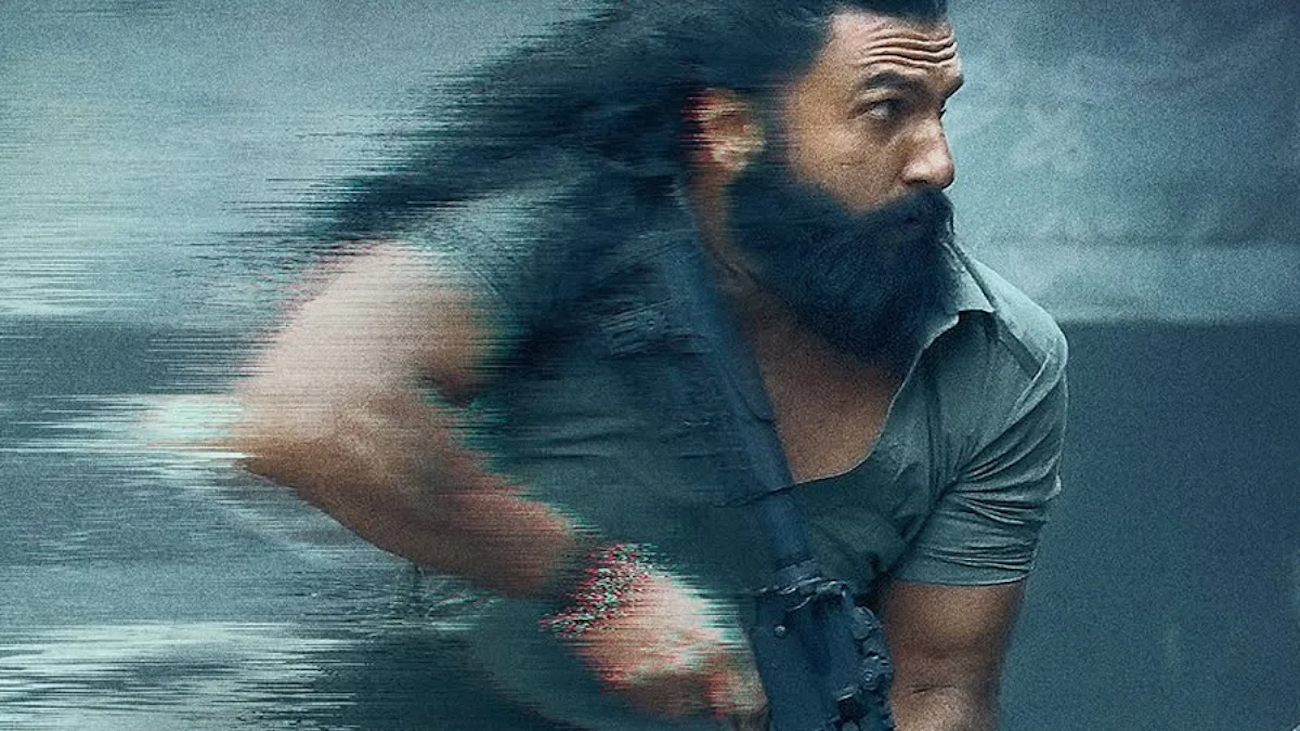
Released in theaters on December 5, “Dhurandhar” stars Ranveer Singh as Hamza, an undercover RAW operative who infiltrates Karachi’s Lyari underworld. The film also features Sanjay Dutt, Akshaye Khanna, Arjun Rampal, R. Madhavan, and Sara Arjun in what critics and supporters alike describe as an unapologetically nationalist espionage thriller. Notably, according to Gulf News, the film has not been released in Gulf countries including the UAE and Saudi Arabia.
What followed the film’s release was not simply a debate about its artistic merits but a battle over who controls the narrative around Indian cinema—one that has exposed deep fractures between India’s film critics and a right-wing online ecosystem that views negative reviews of nationalist films as acts of cultural treason.
The Critics’ Case: Propaganda Masquerading as Cinema
According to Swarajya Magazine, which published a defense of the film, “The chargesheet against “Dhurandhar” is long. It is accused of being ‘over the top,’ ‘crude,’ and, most damningly in the eyes of the jury, ‘propaganda masquerading as cinema.'”
In her review titled “A Tough Sit,” Chopra wrote: “Directed by Aditya Dhar, who six years ago delivered the blockbuster “Uri: The Surgical Strike,” this three-hour-thirty-four-minute film is only part 1, with part 2 arriving in March. Aditya tactically weaves in real events like the Kandahar hijacking, the 2001 Parliament attack, and 26/11 recordings to push buttons harder, but the mix of fact and flamboyance proves both dangerous and clunky.”
She described Singh’s character as operating in “a Gotham-like world of gang rivalry, ISI machinations, and extreme violence.”
Sucharita Tyagi, the Film Critics Guild’s vice-chairperson according to The News Minute, took particular offense at what she described in her review as the film’s “aggressive hyper-masculinity” and “hardcore nationalism,” according to The Commune (a publication supportive of the film). Tyagi reportedly objected to depicting Pakistani politicians and ISI officers as “crass and indulgent.”
According to The Commune, Tyagi was “visibly agitated in her review” and expressed “unmistakable unease” about “something sinister” humming under the surface, particularly objecting to the film’s ending line: “Ye Naya Hindustan Hai, Ye Ghar Mein Ghusega Bhi Aur Marega Bhi” (This is New India, it will enter homes and kill too).
The Backlash: Coordinated, Vicious, Unprecedented
According to The News Minute, “In the past week, the reaction of the right-wing online ecosystem to the not-so-glowing reviews of “Dhurandhar” has been both jarring, nasty and vicious at times.”
The Print reported that after Chopra posted her review, Paresh Rawal’s tweet—”Aren’t you tired of being Miss Irrelevant?”—set off a cascade of abuse. According to The Free Press Journal, social media users accused Chopra of “paid journalism” and called for her boycott. One X user wrote: “Someone who can’t take criticism of her own work became a full-fledged reviewer of others’ work.”
Film critic Uday Bhatia tweeted, according to The News Minute: “I can’t believe the filth so many critics here are being subjected to this week. A vile country, and a shitty industry that won’t stand up for critics but expects critics to stand up for them.”
The attacks weren’t limited to Chopra and Tyagi. According to The Wire and multiple sources, critics across India faced what the Film Critics Guild described as “direct threats and vicious online campaigns aimed at silencing their perspectives.”
The Guild’s Statement: “At Stake Is More Than a Single Film”
On December 11, the Film Critics Guild issued a strongly worded statement condemning what it characterized as organized harassment.
According to The News Minute, “In the past week, the reaction of the right-wing online ecosystem to the not-so-glowing reviews of “Dhurandhar” has been both jarring, nasty and vicious at times.”
“The Film Critics Guild (FCG) strongly condemns the targeted attacks, harassment, and hate directed toward film critics for their reviews of Dhurandhar,” the statement read, according to The Wire. “What began as disagreement has rapidly devolved into coordinated abuse, personal attacks on individual critics, and organized attempts to discredit their professional integrity.”
The Guild said: “In recent days, several of our members have faced intimidation, including direct threats and vicious online campaigns aimed at silencing their perspectives, simply for expressing their professional assessment of a film. More concerningly, there have been attempts to tamper with existing reviews, influence editorial positions, and persuade publications to alter or dilute their stance.”
The statement concluded: “This moment demands collective reflection. At stake is more than a single film. The integrity of cultural discourse depends on the ability of critics to speak freely and without fear. We call for restraint, respect, and a commitment to the principles that allow art, debate, and criticism to coexist.”
The Counter-Narrative: Historically Illiterate Critics
Supporters of the film viewed the critical reaction with equal parts anger and amusement. Swarajya Magazine published a lengthy essay titled “Why “Dhurandhar” Has Exposed The Fault Lines Of Film Criticism,” arguing that critics’ sudden “allergy to political messaging in cinema is not just amusing. It is historically illiterate.”
“To cry wolf over ‘messaging’ in Indian cinema in 2025 is roughly 75 years too late,” the essay stated. “In Tamil Nadu, the intertwining of celluloid and politics is not a bug, it is the operating system. The Dravidian movement was among the first political ideologies in the world to successfully cotton on to the fact that cinema is a potent vehicle for mass communication.”


The piece argued that critics had given a “free pass to identical politics on the other side of the spectrum,” citing examples like “Amaran” (2024), a biopic about Major Mukundh Varadharajan where, Swarajya claimed, the protagonist’s Brahmin caste was “blurred as it would be too unpalatable for the Dravidian Tamils.”
“Where was the outrage then?” the essay asked. “It appears that twisting facts is acceptable creative liberty, provided the twist leans in the ‘correct’ political direction.”
Regarding the film’s antagonists, Swarajya noted: “Perhaps the most peculiar criticism of Dhurandhar is the discomfort regarding its antagonists. Critics seem aghast that the film makes no bones about naming Pakistan and Islamic terrorists as the enemy.” The piece argued this was nothing new, pointing to 1990s and early 2000s films featuring actor Vijayakanth as “the unstoppable patriot” fighting terrorists from Pakistan. “In those films, the nationality and religion of the villains were never ambiguous.”
The Commune, another publication supportive of the film, published a piece titled “Operation “Dhurandhar” Successful,” claiming the film “delivered a knockout punch to India’s perennial peace-with-Pakistan lobby and their cheerleaders in the liberal commentariat.”
According to The Commune, The Wire’s reviewer had characterized the film as “as subtle as a troll” and objected to portrayals of “Pakistan’s ‘terror world.'” The publication accused critics of viewing depictions of “ISI officers as sleazy, chain-smoking, paan-spitting conspirators” as “Islamophobic fiction.”
The Hrithik Roshan Complication
Even supporters of the film found themselves targeted if they expressed any reservations. Actor Hrithik Roshan posted an Instagram story stating: “I may disagree with the politics of it, and argue about the responsibilities us filmmakers should bear as citizens of the world. Nevertheless, can’t ignore how much I loved and learnt from this one as a student of cinema. Amazing.”
He later posted on X: “I LOVE CINEMA. I love people who climb into the vortex and let the story take control, shaking them until everything they want to say is purged onto the screen. Dhurandharr is a perfect example of that. I loved the storytelling. This is cinema.”
According to The Print, X users immediately targeted Roshan, sharing screenshots comparing his current praise with his earlier Instagram story that mentioned disagreeing with the film’s politics. “You literally glorified this barbaric Akbar and today you have the audacity to call Dhurandhar as propaganda. Shame on you,” one user wrote, referring to Roshan’s 2008 role in “Jodhaa Akbar.”
Another user, according to The Print, “even dragged Roshan’s partner, Saba Azad, into the argument, sharing an image of her from a protest at Jawaharlal Nehru University, alleging ‘influence’ of her politics.”
This story was aggregated by AI from several news reports and edited by American Kahani’s News Desk.