




‘Zo and Do’: Inside the Unlikely Digital Friendship Between Mayor Mamdani and President Trump

- Two Queens natives who once called each other "communist" and "fascist" are now texting twice weekly—but their budding bromance may already be fraying.
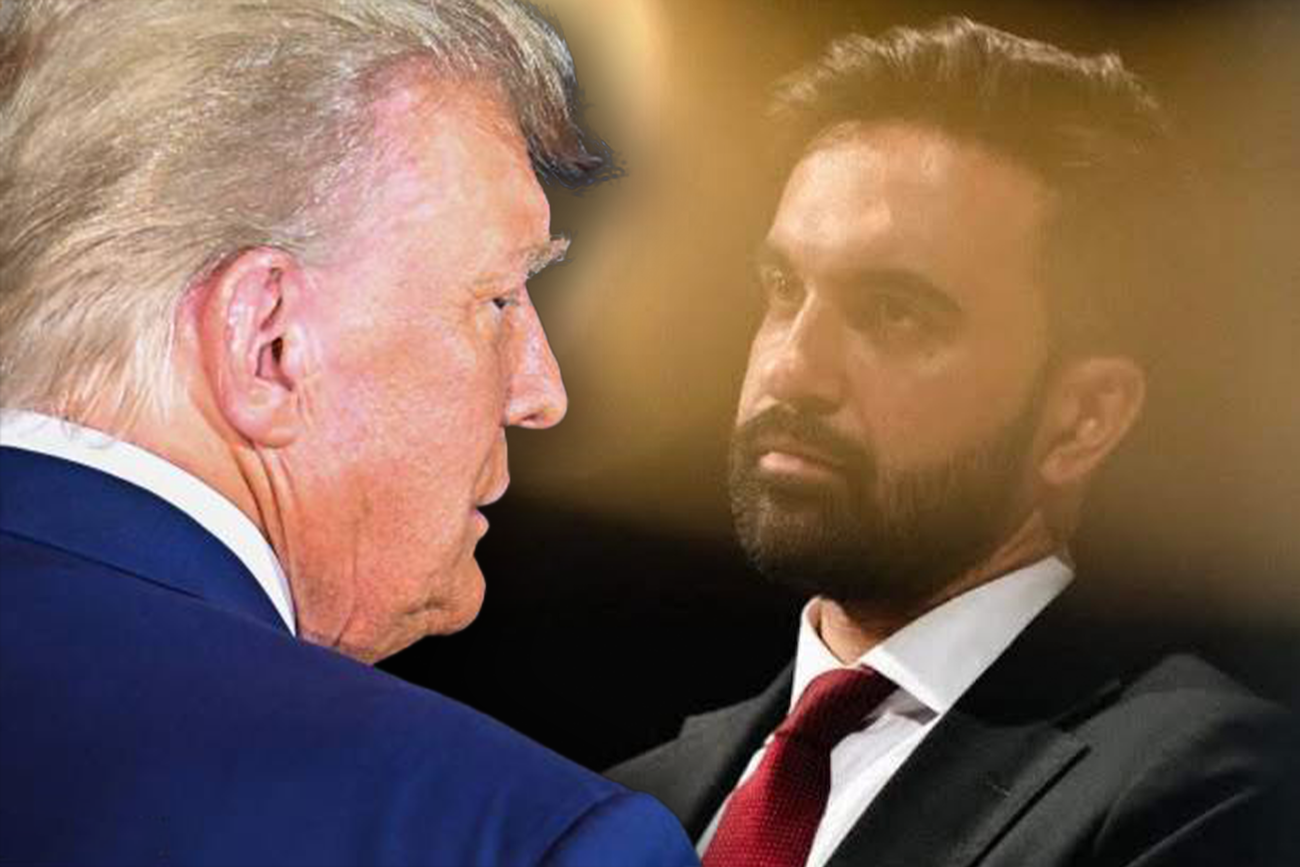

They called it the political meeting nobody saw coming. When New York City Mayor-elect Zohran Mamdani walked into the Oval Office last November to meet President Donald Trump, observers braced for a confrontation between the democratic socialist and the man he’d called a “fascist” and “despot.”
Instead, America watched as Trump showered Mamdani with praise, calling him “rational” and saying he’d be “cheering for him.” The president even joked about Mamdani’s past criticisms, telling him it was fine to keep calling him a fascist if he wanted to. The unlikely display of bonhomie left political watchers stunned and Republicans scrambling to adjust their 2026 campaign strategies.
Now, sources reveal that the warmth on display that day wasn’t just political theater—it blossomed into an ongoing digital relationship that has the two men texting at least twice a week, making Mamdani one of the president’s most surprising confidants.
But as quickly as this unlikely bromance developed, recent events suggest it may already be showing cracks.
The Texting Begins
Mayor Zohran Mamdani and President Trump have been exchanging “friendly” messages at least twice a week since their November White House meeting, according to sources familiar with their conversations who spoke to The New York Post and Axios.
The texting started soon after Trump and Mamdani exchanged numbers during their November meeting, the sources told Axios. The former Astoria lawmaker and the Queens native have been discussing a wide range of topics, from the toppling of Venezuelan dictator Nicolas Maduro to zoning red tape in Big Apple real estate.
Insiders with knowledge of the conversations described the tone of the texts as “friendly,” according to The Post.
On Thursday night, Mamdani himself admitted that he and Trump have “exchanged a handful of texts” since their Oval Office meeting. “And those texts, the conversations that we have, they always come back to New York City and the importance of delivering for the people who call this city home,” Mamdani said at a press conference.
A Marked Departure from History
The budding relationship and the regularity with which the two chat personally are a marked departure from previous interactions between presidents and New York City mayors in recent history. Even Mamdani’s predecessor Mayor Eric Adams, who cozied up to Trump and rushed down to DC in the middle of the night to attend his inauguration last year, had to connect with the president through intermediaries.
Andrew Kirtzman, CEO of the strategic communications firm KSX, said it was “remarkable that Trump feels so comfortable with [Mamdani].”
“He hated [Bill] de Blasio, the last left-wing mayor, and probably felt estranged from the city because of it,” Kirtzman told The Post. “He seems to feel an emotional connection with Mamdani. The mayor must be totally amazed by what’s happening.”
The Oval Office Meeting That Started It All
To understand how two political polar opposites became texting buddies requires revisiting their November 21 meeting—a gathering that defied all expectations.
For months leading up to the election, the two Queens natives had engaged in brutal political warfare. Trump had called Mamdani a “communist,” threatened to arrest and deport him (falsely suggesting the naturalized citizen was in the country illegally), and warned he would pull billions in federal funding from New York if Mamdani won.
Mamdani, for his part, had called Trump a “despot” in his victory speech and repeatedly referred to him as a “fascist.”
But when they met in the Oval Office, Trump lavishly praised Mamdani, describing the “great meeting” as “really productive.” He spoke of Mamdani’s come-from-behind electoral victory, saying: “It’s an amazing thing that he did.”
Trump praised Mamdani’s campaign and pledged to work with him on shared policy concerns centered on the cost of living and reducing crime. “I met with a man who’s a very rational person. I met with a man who wants to see – really wants to see – New York be great again,” Trump said. “I’ll be cheering for him.”
According to New York magazine, Trump told Mamdani when he entered the Oval Office: “Wow, you are even better-looking in person than you are on TV.” Mamdani also sought to charm Trump during their meeting, winning him over by chatting about New York City neighborhoods and a pharmacy the president’s father had patronized.
The Political Calculus
The strategic motivations behind this unlikely friendship are clear on both sides.
Mamdani has plenty of reasons to keep up a good working relationship with the president, including preventing him from withholding money from the city, as he has threatened, or sending in National Guard troops.
Trump told Mamdani when he entered the Oval Office: “Wow, you are even better-looking in person than you are on TV.”
“Mamdani would be smart to kiss Trump’s ass … Especially when the federal government can withhold billions from the city,” one politico told The Post.
Trump, meanwhile, seemed to enjoy sharing the newly elected mayor’s star power and his focus on affordability, a weak spot for Trump in polls.
Columbia University professor Robert Y. Shapiro told Newsweek: “With Trump he has to get something out of these relationships. What he probably duly notes here is that his interactions with Mamdani are always headline news and a way for Trump to dominate media attention. Of course this elevates Mamdani too but Trump is still the focal point.”
The “Uncle Disarmament Strategy”
To South Asian observers, Mamdani’s performance in the Oval Office represented something familiar: what CNN described as the “uncle disarmament strategy”—a particular skill honed over years of uncomfortable interactions with paternalistic elders.
Times of India journalist Barkha Dutt wrote that “Desis have found Mamdani’s polite smile, respectful head tilt and general mollifying of Trump kick in a very particular muscle memory – of tactical deference to Aunties and Uncles whose lectures they actually have zero intention of obeying.”
Afshana Haque, a Houston-based therapist who specializes in South Asian clients, characterized Mamdani’s dynamic with Trump as “very similar to how we navigate maybe aunties at a party telling us we should lose weight or get married or whatever it is.”
The Venezuela Crisis: A Test of the Friendship
Just days after taking office on January 1, Mamdani faced his first major test with Trump: the U.S. military’s dramatic capture of Venezuelan President Nicolás Maduro.
Mamdani said during a news conference Saturday he called Trump on the phone to push back on the commander in chief’s decision. “I called the president and spoke with him directly to register my opposition to this act and to make clear that it was an opposition based on being opposed to a pursuit of regime change, to the violation of federal international law and a desire to see that be consistent each and every day,” Mamdani said.
Mamdani issued a statement calling the capture “an act of war and a violation of federal and international law,” adding that “this blatant pursuit of regime change doesn’t just affect those abroad, it directly impacts New Yorkers, including tens of thousands of Venezuelans who call this city home.”
Trump’s Surprise and Disappointment


In an interview with Fox News’ Sean Hannity that aired last week, Trump said: “I have a very nice relationship [with Mamdani] but I thought it would take at least maybe a month or two months before he went after me. He hit me on the attack on Venezuela, which is pretty unusual because not too many people have hit us.”
Using the past tense, Trump told The New York Times that “I did” have a good relationship with Mamdani, but “he hit me sooner than I thought.”
One top administration official was surprised Mamdani made the call and thought he was out of line in doing so, according to Axios.
Mamdani, however, downplayed the significance of the disagreement. “The president and I have always been honest and direct with each other about places of disagreement,” he told reporters. “New Yorkers have elected me to be honest and direct and always to do so with the understanding that my job is to deliver for the people who call this city home.”
What It All Means
The Mamdani-Trump texting relationship represents something unprecedented in modern American politics: a sustained, personal communication channel between a sitting president and a mayor from the opposing party’s far-left wing.
The revelation has sparked intrigue across the political spectrum, raising questions about whether ideological lines are quietly being redrawn and whether such a cross-ideological relationship can survive in an era defined by political polarization.
The central question is not whether the messages exist, but what they mean for the people Mamdani represents. Critics argue that friendly exchanges with Trump risk undermining Mamdani’s progressive credentials. Supporters see value in open channels of communication, particularly if it leads to tangible policy wins, according to Oneida Dispatch.
Political consultant Douglas E. Schoen wrote in The Hill that “for all of their differences, Trump and Mamdani are both committed populists.” He argued that “in avoiding an Oval Office blowup, both men seemingly put the country first and their partisan beliefs second, and that is undoubtedly a positive.”
CNN’s analysis noted that Trump seems to respect political fortitude and winners. “Mamdani is also clearly a gifted politician who is succeeding in an area of the country that Trump holds near and dear. That Trump would appreciate a good-looking, talented pol from Queens probably shouldn’t be too shocking.”
The Future of an Unlikely Friendship
The real test will come when Mamdani faces decisions about cooperating with ICE enforcement, potentially arresting Israeli Prime Minister Benjamin Netanyahu if he visits New York, or other high-profile conflicts with Trump administration policies.
For Mamdani, any perception of closeness to Trump could alienate parts of his base. For Trump, engaging warmly with a socialist risks confusing supporters who expect ideological rigidity.
Yet the reports framed the exchanges as evidence that personal relationships can sometimes cut through ideological barriers, even if only temporarily. As attention grows, both figures may be forced to clarify the nature of their communication.
What’s clear is that two men from Queens—one a billionaire Republican president, the other a socialist mayor—have found unexpected common ground. Whether that translates into lasting political cooperation or merely a brief détente in America’s ongoing culture wars remains to be seen.
For now, “Zo and Do” are texting. The question is: for how much longer?
This story was aggregated by AI from several news reports and edited by American Kahani’s News Desk.