




Back to the Future: 2025 was the Year When Gen Z Came of Age and Taught Us How to be Proactive

- Around the world, an entire generation has grown up during one of the most conflict-ridden periods since World War II.

This December, while flying back from Dallas to Boston on a packed four-hour flight, the fidgety airplane traveler in me noticed several young people in their twenties with large, over-ear headphones, working nonstop. They were preparing PowerPoint presentations, designing logos, reviewing educational materials, squeezing in a bit of Roblox and Minecraft, and napping. They did not seem anxious or lost in any way, which set me thinking about how we don’t give enough credit to this new generation, Generation Z.
Nearing the end of 2025, this realization made me feel a bit more upbeat about the year, which had sped by in a blur, with a series of calamities unfolding at breakneck speed, overwhelming the world with their aftermath.
In January, a deadly wildfire tore through Los Angeles, displacing tens of thousands of people. In March, a powerful 7.7-magnitude earthquake struck central Myanmar, causing widespread destruction across Mandalay, Sagaing, and Naypyidaw. Thousands were killed, many more were injured, and vital infrastructure was reduced to rubble. In July, Texas experienced a catastrophic flash flood on the Guadalupe River that entered the history books as the sixth-deadliest freshwater flooding disaster in the U.S. It reminded people once again of nature’s tremendous destructive power.
Several other seismic shifts shook the U.S. and the rest of the world, driven more by political decisions than natural events. The U.S. Agency for International Development, which has helped save 90 million people over the past two decades, officially shut down this year. At the same time, Trump introduced a “new era” of global trade, moving from post-war liberalization to economic nationalism, which is causing disruptive effects on markets, forcing new trade deals like the EU’s “submission” deal, and raising U.S. tariffs to levels not seen since the 1930s. This has started to impact supply chains and increase costs for businesses and consumers.
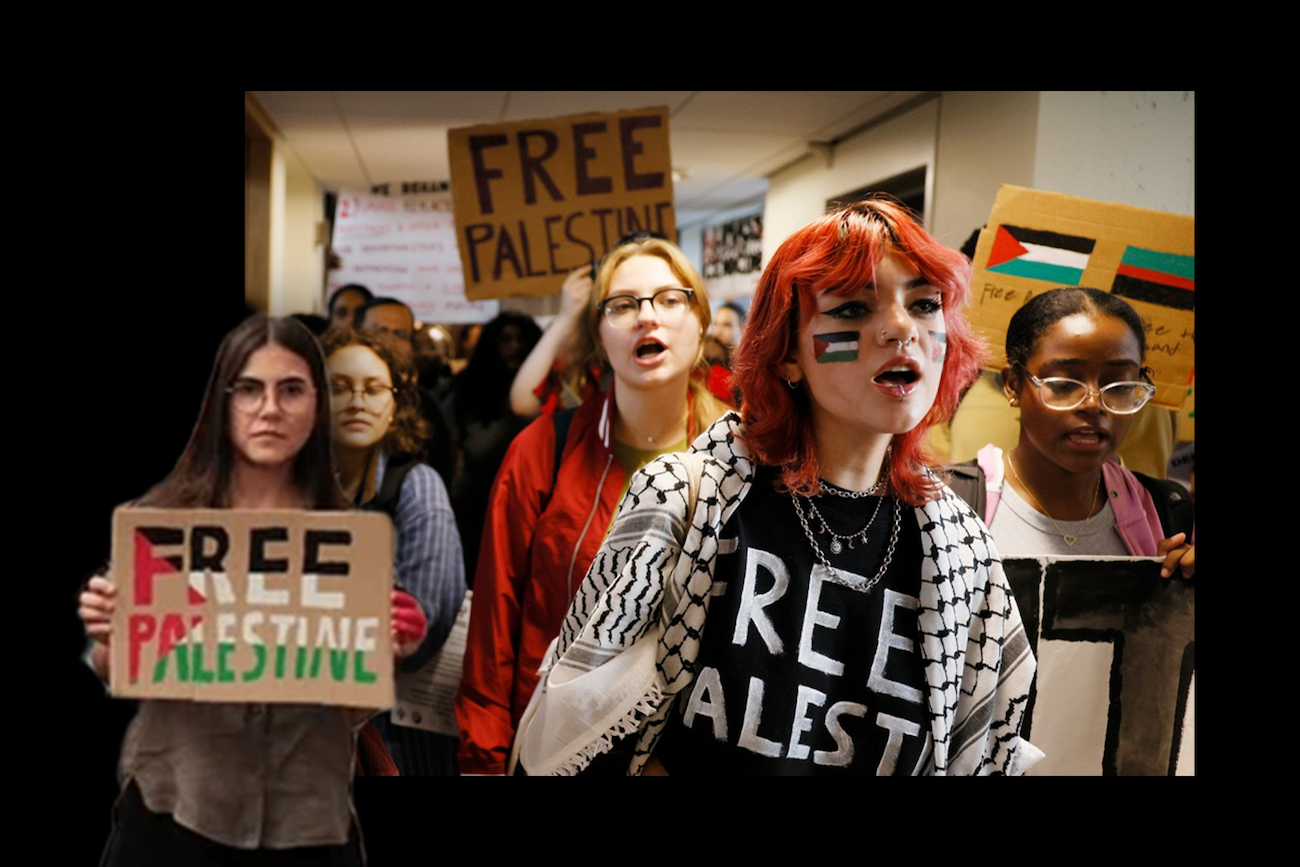
Gen Z, raised amidst wars bleeding through their screens, saw more armed drones, missiles, and mutilated children than any other generation. But it’s their decision to get involved, their activism that became the highlight of this year.
International wars continued into the second and third years, and civil wars disrupted nations. Russia, Ukraine, Gaza, Sudan, and Myanmar hit the headlines repeatedly, and Gen Z, raised amidst wars bleeding through their screens, saw more armed drones, missiles, and mutilated children than any other generation. But it’s their decision to get involved, their activism that became the highlight of this year.
They led protests that made waves from Africa to Asia, and while the issues driving them varied, the symbol they used was the same: a grinning skull and crossbones wearing a straw hat. From Nepal to Peru, Indonesia to Morocco, what initially looked like scattered unrest now shows the outlines of a shared movement growing faster than governments can respond to. These are not single-leader protest campaigns but instead digitally connected networks of young people who grew up online, learned to use platforms like TikTok and Discord to organize, and then took their grievances to the streets. These protests hold the potential for political turmoil and collapse, but also for renewal. This digital-native generation has the power to change governments because they value local communities with a global outlook, prioritize access over ownership, and value authenticity over polish.
But that is not all. They are also driving changes in management styles, work environments, and organizational values. They learn new technologies quickly and draw on massive amounts of data and information in ways inconceivable to prior generations. Their influence is prompting companies to adapt, evolve, and innovate, creating a new paradigm for the future of work. They also scrutinize potential employers’ societal impact and are interested in knowing whether their work is making a real difference in people’s lives.


Peter Leyden, a tech expert and thought leader in Artificial Intelligence (AI), believes we are on the verge of the next major leap as humanity progresses into an era where AI, clean energy, and bioengineering will play vital roles in transforming the US and the world. The workforce to lead this transition will primarily be from Gen Z, who are, fortunately, comfortable with AI, automation, and digital collaboration tools.
Around the world, an entire generation has grown up during one of the most conflict-ridden periods since World War II, in a context where crisis and inequality are obvious, and institutional responses often fall short. They have weathered a pandemic and built digital communities that can quickly spread ideas and concerns. If anything, they have learned that life is unpredictable, so they can’t depend on others solely—neither institutions, nor governments, nor a company– to secure their future. As 2026 approaches, it’s important to recognize that we and the rest of the world learn a thing or two from this pragmatic and empathetic generation if we want to stay relevant in a rapidly changing future.
Sreya Sarkar is a public policy analyst based out of Boston. She is the author of the novel “Beneath the Veneer.”